
If you’ve ever finished a set of handmade coasters or a tiny amigurumi and thought, “Someone would pay for this,” you’re right. Hobby makers are quietly building side incomes by turning simple crochet kit projects into attractive products. This guide walks through practical steps—product choices, branding, pricing, photography, and sales channels—so your next handmade set can move from coffee table to checkout. No fluff, just actionable tips that respect the craft and keep the work enjoyable.
Pick the Right Project: Small, Repeatable, Lovable

Not every finished craft is easy to sell. The ideal product: compact, repeatable, and useful. That’s why coaster sets, small plush toys, and plant-motif pieces work well for a fledgling maker business.
Consider the Six-Color Coasters crochet kit as a concrete starting point. It supplies yarn in six bright hues, a hook, and straightforward patterns to create colorful drink mats that actually protect surfaces from moisture and heat. Because the kit is designed for quick, attractive outputs and suits both new and experienced stitchers, you can reliably produce matching sets with consistent quality—key when you’re selling multiples.
Why small items win:
- Lower material cost and shipping expense.
- Quick turnaround—you finish a set in a few sessions.
- Easy to photograph and package.
So start with something that scales: make one, then make five.
Position Your Product—Who’s Buying and Why?
Product success starts with a clear buyer profile. Are you targeting people looking for cute home accents or customers who want durable, functional kitchen pieces? Your brand voice and photos should answer that question before words do.
Examples of audiences:
- Gift shoppers who want charming, thoughtful items for hosts.
- Young professionals seeking small decor swaps for apartments.
- Eco-minded buyers who prefer reusable over disposable options.
When you style Six-Color Coasters, imagine where they’ll live: bright coasters on a wooden counter, a set tucked into a housewarming gift box, or a cheerful stack on a desk. Positioning shapes everything—from color choices to listing text.
Make Your Products Look Pro—Photography and Presentation
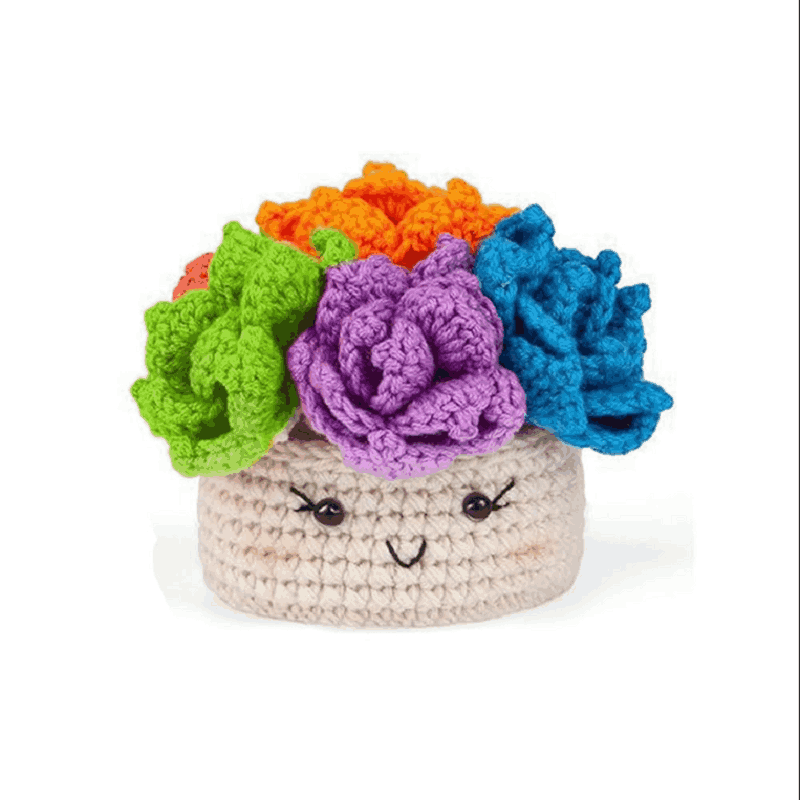
Good images sell. Here’s how to make homemade pieces sing online:
- Natural light, simple backgrounds. A clean tabletop and morning light do wonders.
- Show scale. Include a mug or a hand in one shot so buyers know the size instantly.
- Group shots and detail shots. A trio photo shows a set; a close-up shows stitch quality.
- Styling props matter. Pair a coaster with a teapot or a succulent to hint at use.
Packaging is part of the product story: a small kraft box, a kraft paper wrap, or a labeled band around a coaster set signals care. A neat, branded sticker or a typed thank-you note adds warmth and repeat-customer potential.
Price for Profit—Simple Math
Pricing can feel scary, but it’s just arithmetic. Aim for a price that covers materials, time, fees, and a profit margin.
Basic pricing model:
- Material cost per set (yarn, hooks if included, and packaging).
- Labor—your time multiplied by a fair hourly rate. Beginners sometimes underprice; pick a realistic wage (even $10–15/hr to start).
- Overhead—shipping labels, platform fees, marketing.
- Profit margin—typically 20–50%, depending on the market.
Example: if a set of coasters uses minimal yarn and packaging ($3 material), takes one hour ($15 labor), and adds $2 overhead, the base cost is $20. Selling for $34–$40 is reasonable for a handmade, well-photographed set. Test, then iterate.
Sales Channels That Actually Work
You don’t need to be everywhere. Start with one or two channels and get good at them.
- Etsy—great for handmade-focused buyers; SEO and photography matter.
- Instagram & Facebook Shops—good for visual discovery and local sales; use Reels and Stories.
- Local markets & boutiques—weekend markets or consignment—can build local fans.
- WordPress/WooCommerce or Shopify—useful once you have repeat customers.
When listing, use honest, descriptive titles and keywords. Mention crochet kit origins if it’s relevant to shoppers who value curated craft supplies and consistent patterns.
Brand, Story, and Customer Experience
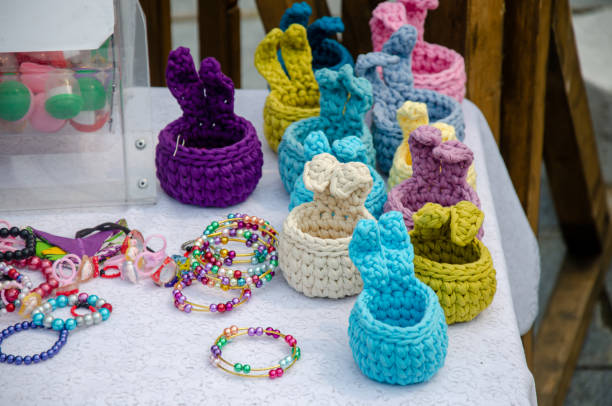
Buyers love the who behind the product. A short storyline—why you make it, who inspired you, or what the stitch means—makes a product memorable. Keep it human: one paragraph about how you test color combos with a mug on your kitchen table can be enough.
Customer service matters: fast responses, careful packaging, and simple return policies reduce friction and encourage five-star reviews. Include care instructions for the product: for coasters, a note on spot-cleaning or gentle handwashing will reduce buyer anxiety.
Scale Without Burning Out
Growth doesn’t mean doing everything yourself. Here’s how to scale thoughtfully:
- Batch production. Make multiple sets in one session to save setup time.
- Outsource packaging. Pay a local print shop for labels or a supplier for boxes.
- Limit SKUs. Focus on a handful of reliably popular colors or patterns.
- Offer customization smartly. A small upcharge for a custom color pair can increase revenue without complicating inventory.
Keep the joy in making—if your craft becomes a grind, you’ll lose the authenticity that sells.
Conclusion—Start Small, Think Like a Maker-Business
Turning a crochet kit output into a real product line is a practical, low-risk way to test the waters of handmade commerce. Start with compact items like the Six-Color Coasters, focus on presentation, price sensibly, and build a simple brand story. The goal isn’t instant scale; it’s making consistent, delightful items that customers want to keep or give. If your first five orders arrive, celebrate—then think about what a tenth order will look like.
Start selling colorful coaster sets—use a Six-Color Coasters crochet kit to craft your first batch.