
Crafts carry memory. A cast-off sweater becomes a child’s blanket, and a painted rock marks a day at the beach—handmade things anchor stories. Lately I’ve been noticing a smaller, quieter trend: people turning compact crochet kit projects into rituals that stitch generations together. This essay explores how one modest hobby becomes the backdrop for intergenerational bonding, cultural continuity, and tiny rituals that actually stick. If you’re curious how making things with yarn can become family folklore—or want a meaningful, low-pressure way to introduce craft to relatives—read on.
Why a Crochet Kit Is Uniquely Suited to Story Making
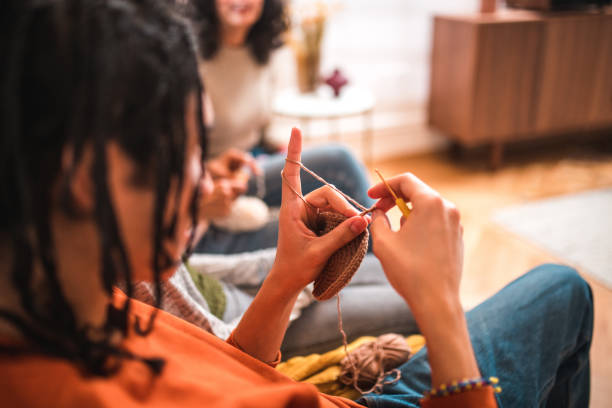
Not every hobby translates into shared memory. A mountain bike or a complicated woodworking bench demands space, cost, and time. A crochet kit, by contrast, has three big advantages:
- Low barrier: Most kits include yarn, hooks, and clear patterns, so you don’t have to hunt for supplies. That makes the activity instantly accessible to a beginner or a busy parent.
- Short wins: Small projects finish quickly. A completed animal doll or coaster is tangible proof of accomplishment—perfect for a kid to show off or Grandma to tuck on a shelf.
- Portable and social: A bag with a project goes to the living room, the car, or the nursing home. It invites conversation rather than isolation.
Those aspects help craft move from “a hobby” into “our thing.”
Family Rituals That Grow Around Making
Here are a few patterns I’ve seen in real life—simple rituals that take craft out of isolation and turn it into a social glue.
Weekend Stitch-and-Chat
Every Sunday afternoon, three relatives gather with tea. One reads the news aloud; another crochets. Conversations float between complaining about the weather and sharing a family recipe. Progress is slow but visible: each person adds a row to a shared blanket, or each makes a small piece for a communal wall hanging. The crochet kit becomes the meeting point.
Passing Down the Basics
A parent who wants their child to learn to make something helpful starts with a kit made for beginners. The parent mentors—guiding a chain stitch, correcting tension—while telling stories about the first time they learned to sew or a grandparent’s hobby. The technique is passed along with context.
Healing Through Making
Hospitals and care homes sometimes offer short craft sessions. A crochet kit can be non-threatening therapy: repetitive stitches calm the nervous system, and the finished piece gives both maker and family something to hold and remember.
These rituals aren’t dramatic, but they accumulate meaning. Years later the coaster on the coffee table signals a dozen quiet Sundays.
The Animal Crochet Kit as a Conversation Starter
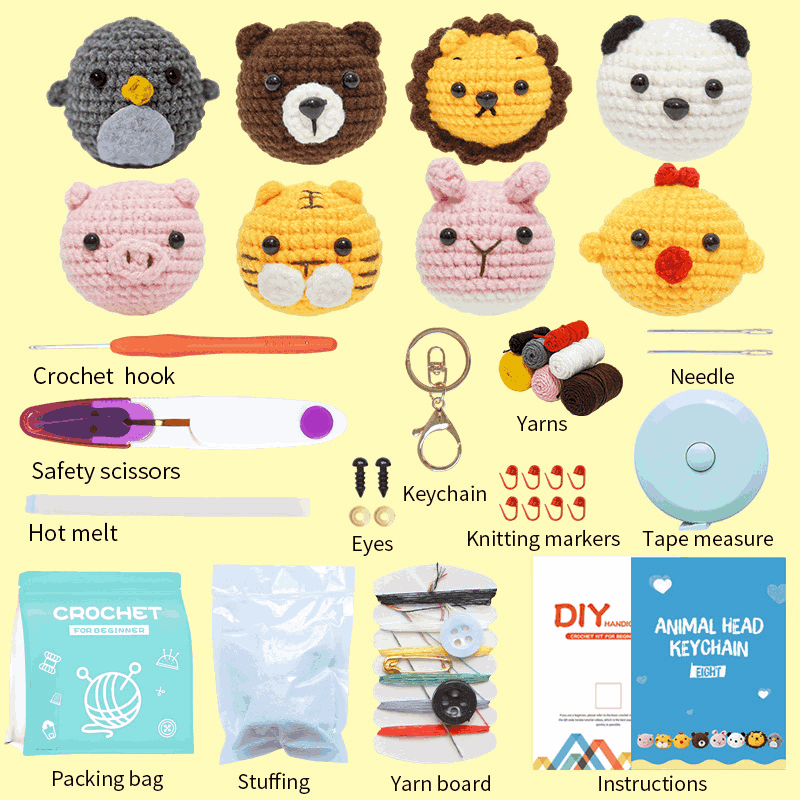
If you want a concrete example, consider the Animal Crochet Kit. It’s designed to produce charming amigurumi animals—bunnies, kittens, and the like—using included yarn, hooks, and clear step-by-step patterns. That mix is ideal for cross-generational making because:
- Kids love animals; a small creature feels like a personal project.
- Adults appreciate that the kit lowers the friction—no pattern hunting, no color matching.
- The finished doll works as a practical object (a toy) and a keepsake, which helps the craft migrate from the couch to the child’s bedroom, making the story physical.
I’ve seen a family where a grandmother and her granddaughter each made a bunny from the same kit. The little matching pair now takes separate naps on different beds, but at family gatherings they are compared, hugged, and used to launch stories: “When I first learned this stitch…”
Tips to Turn a Project into a Memory, Not Just an Item
If you want your next crochet kit experience to become something more, try a few small practices:
- Narrate as you stitch. Tell a short story each session—about your first day at school or the strangest meal you ever ate. The story sticks to the stitch.
- Take photos of stages. A short slideshow of “blank yarn → half-done → finished” becomes a keepsake and shows progress to beginners.
- Gift with a note. When a finished animal or coaster leaves the house, include a tiny note about who helped make it. That context carries the story forward.
- Hold micro-ceremonies. Even a two-minute “we finished it!” applause after a group session marks the object as communal.
Small rituals like these transform objects into artifacts.
Why This Matters Beyond Nostalgia
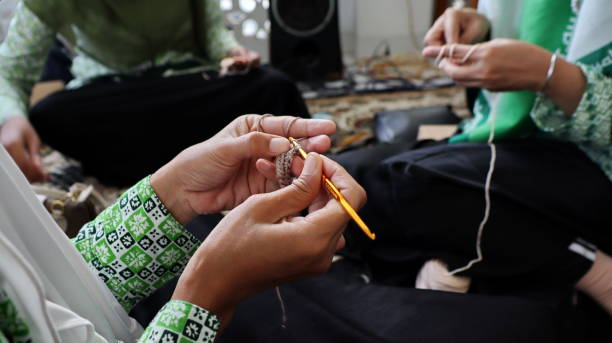
Stories matter because they help people belong. For families fragmented by distance, a shared crochet kit project can be an anchor: a monthly package of yarn and instructions mailed to a cousin, with a Sunday video call to stitch together. For communities, teaching crafts to children keeps tactile skills alive in a digital age. And for individuals, the act of making alongside someone else supports mental health: shared focus, laughter, and a felt sense of contributing.
Conclusion—Make It Social, Make It Stick
A crochet kit is a small investment with outsized cultural returns. It’s a practical tool for teaching beginners, a reliable conversation starter, and a portable way to make memories. If you want to start, invite a relative, unpack a kit like the Animal Crochet Kit, and plan one short session. Bring a story, a pot of tea, and a willingness to stitch slowly. Over time, those minutes add up to shared histories, kept on shelves and in hearts.
Bring family together—start with an Animal Crochet Kit and stitch a shared memory today.