
If you love the idea of trading colors, patterns, and tiny finished pieces, a crochet kit swap might be your next favorite social event. It’s part swap meet, part craft night, and part show-and-tell. The idea is simple: everyone brings one or more crochet kits—new, half-used, or a recently finished project—and swaps supplies, patterns, and tips. But done right, a swap can also spark collaborations, launch mini-classes, and refresh your creative momentum without spending much. Below is a practical how-to plus stories, templates, and a few quick rules to make your first event feel effortless.
Why a Crochet Kit Swap Works
A crochet kit swap taps into three human needs: connection, novelty, and learning. People want to try new patterns but don’t want to buy new materials all the time. A swap lets them take a low-cost risk: trade a crochet kit for a new colorway, learn a stitch from a neighbor, and walk away with inspiration.
- You get variety and often unexpected combinations.
- Beginners get hands-on mentoring with someone who has already tried that same crochet kit.
- Experienced makers offload partial kits and pick up fresh ideas.
It’s social making. Less pressure, more joy.
How to Organize a Swap: Step-by-Step

1. Set the Basics: Time, Place, and Vibe
Host at a café with a private room, a community center, or someone’s living room. Keep the group to 8–15 people for intimacy. Announce the event as a crochet kit swap and craft night—bring a kit, a finished sample if you can, and any spare hooks or tiny tools.
2. Create Simple Swap Rules
- Each person should carry at least one complete crochet kit or a complete partial kit, preferably with labels and instructions.
- Label items with what’s included: yarn amount, hook size, and pattern.
- Set a low-cost entry option: a small donation for the venue or a snack contribution.
These basic rules keep the swap fair and friendly.
3. Theme It
Themes focus choices and make the evening cohesive: “Table Night” (good for Fruits Crochet Kit fans), “Tiny Animals” (great for the Animal Crochet Kit), or “Green Shelf” (Potted Plant Crochet Kit). Themes help people bring compatible kits and finished examples.
What People Actually Bring to Swaps or Expect to Take Home
At a typical swap night you’ll see a mix: unopened crochet kits, half-used kits, single-skein surprises, finished samples, extra hooks, and handwritten pattern tweaks. You might pick up a fresh color for a current project, a compact kit you didn’t know existed, or a friend’s quick tip that saves you hours.
Practical tip: bring small zip bags and sticky labels so you can re-bag traded bits neatly. Nobody wants yarn tangles the next day.
Activities to Run During the Swap
- Speed-showcase: 3-minute demos where each attendee shows a finished piece from their crochet kit and one tip.
- Micro-class drop-in: Ask a confident maker to teach one stitch (chain, single crochet, invisible decrease) for ten minutes.
- Pattern swap table: Leave printed notes with pattern names and a short “did this” rating—great for follow-ups.
These low-pressure activities keep people engaged without turning the evening into a formal workshop.
Getting Beginners Involved: Make Your Swap Welcoming
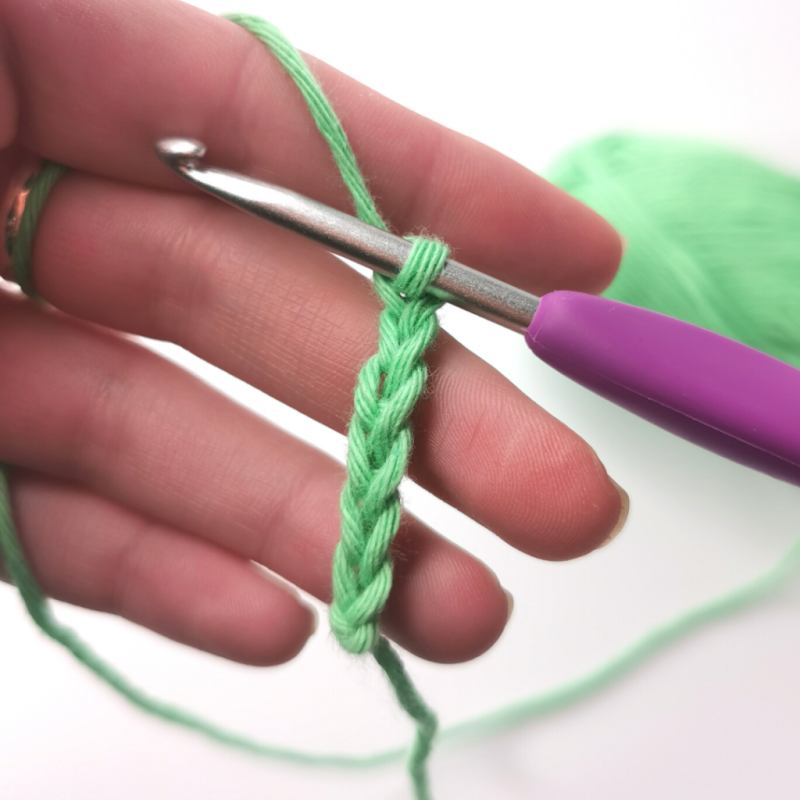
A swap can be intimidating for a brand-new maker. Make sure to:
- Have a “newbie corner” with one or two basic crochet kits labeled “for beginners.”
- Offer a 10-minute “first stitch” intro at the start of the night.
- Encourage makers with extra hooks to lend them out. This social generosity builds community.
When beginners join, they often become the most enthusiastic members; encouragement here pays off.
Beyond the Swap—How to Sustain Momentum
Swaps can blossom into ongoing groups. Try these follow-ups:
- Create a shared photo album or small chat group to post projects and instigate mini-challenges.
- Rotate host duties—each meetup at a different home or venue keeps logistics light.
- Start a swap library: a communal shelf where labeled crochet kits can live for lending between meetings.
A few small habits keep the energy alive and make future swaps easier to organize.
Must-Have Crochet Kits for Your Swap Night
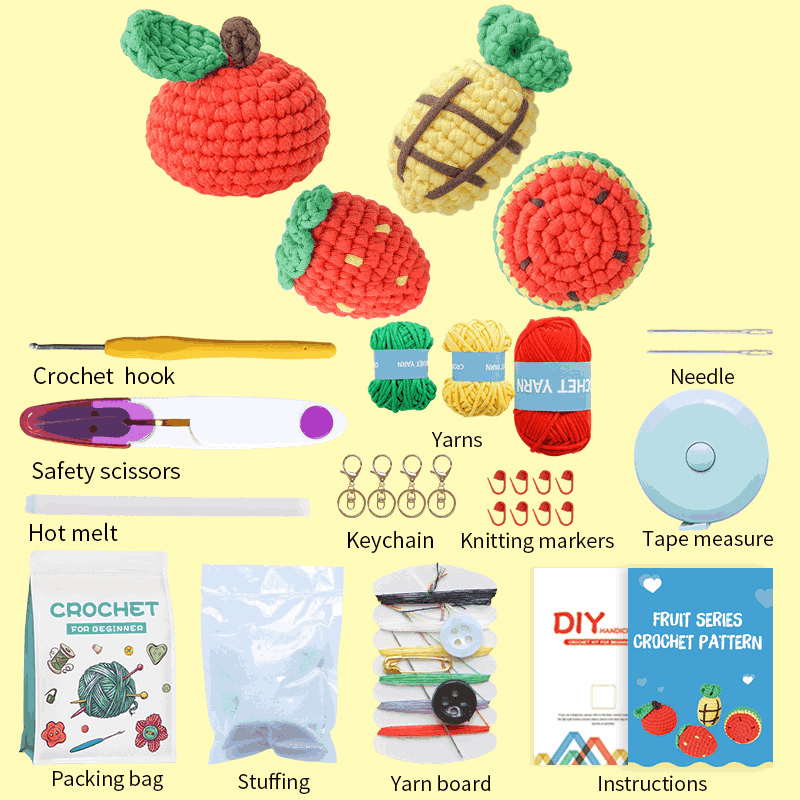
Bring extra inspiration and fun to your crochet kit swap with these crowd-pleasing kits:
- Succulent Plants Crochet Kit – Craft lifelike crochet succulents with textured yarn and simple patterns. Perfect for adding greenery to desks or gifting plant-loving friends. Newcomers will enjoy the approachable designs, while experienced makers can explore more intricate rosettes and trailing varieties.
- Animal Crochet Kit – Make adorable amigurumi animals like bunnies and kittens. Complete with colorful yarn, hooks, and step-by-step instructions, this kit is ideal for beginners and seasoned crafters alike. Great for whimsical décor or thoughtful handmade gifts.
- Fruits Crochet Kit – Create a playful collection of strawberries, bananas, and apples. Vibrant yarn and detailed patterns make it easy for all skill levels to enjoy crafting charming fruit décor, photography props, or cheerful gifts.
Add one or more of these kits to your swap night to spark creativity, share joy, and trade finished treasures with fellow makers.
Final Notes & Etiquette
- If you bring a kit with missing parts, disclose it upfront. Honesty is the social glue.
- Label everything—especially if you want it back.
- Be open to small trades; swaps are about exploration, not auctioneering.
Swap nights are about people as much as yarn. Treat it like a social experiment, curiosity over commerce. Elevate your hobby with a crochet kit that makes stitching effortless and fun.