Crochet Kits as Storykeepers — How a Crochet Kit Becomes a Family Heirloom

A crochet kit can be more than yarn and a hook. Imagine a pouch that holds stitches and stories: a little toolkit where a grandmother’s recipe for soup sits beside a pattern for a tiny tomato, or a note about who wore a knitted hat to prom. This piece explores how crochet kits can preserve family memory, bridge generations, and turn simple needle work into an oral-history practice.
Why Craft Makes Memories Stick
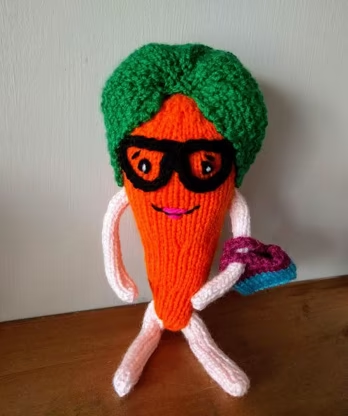
When people tell stories while they work—about holidays, mistakes, or nicknames—those stories anchor to the motion. The repetitive action of stitching creates a predictable rhythm, and that rhythm becomes the stage where anecdotes and memories are told. So a modest crochet kit is not just a toolset; it’s a context for narrative.
- Say you’re using a crochet kit to make a tiny carrot while an aunt narrates the family’s first Thanksgiving. The shape of the carrot, its orange yarn, the way you finish the leaves—all of that becomes part of the anecdote. Later, the next person who makes that carrot remembers not merely the stitch pattern, but the room, the voice, and the laughter.
- Practically: label your kit’s pouch with a sticky note that has one-line prompts—“Tell the story of the first garden” or “Who was the funniest cook?” Those prompts coax memories out of people who don’t think of themselves as storytellers.
Building a “Memory” Crochet Kit — What to Include
Create a special crochet kit whose purpose is to gather family lore, not just to craft. Here’s a functional, low-drama way to build one.
Tools + Tactile Tokens
- Basic tools: a comfortable hook, a few skeins of yarn, a darning needle. Keep it small—nothing intimidating.
- Add a small accordion folder for notes—handwritten scraps beat typed text here. People write differently by hand.
- Toss in a small voice-recording tag (a cheap digital recorder or a phone note) so family members can leave a 1–2 minute memory whenever the mood hits.
Pattern & Prompt Cards
- Include two or three simple patterns: a tiny animal, a fruit, or a coaster. Each card has a short prompt: “Tell the story of the house with the red door,” or “Who taught you to cook?”
- Prompts nudge storytelling without forcing it. They let a quiet evening turn into an oral-history session.
A Visual Index
- Add a pocket for photos. A 2×3 photo taped to a pattern card links the object to a face, a place, or a recipe. Over time, the kit accumulates a little archive.
How to Run a Memory-Making Session
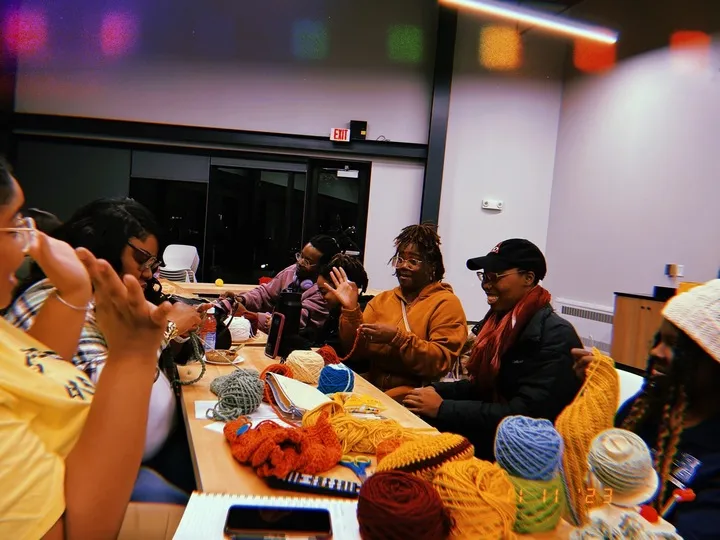
You don’t need a formal event. A casual tea, a short drive, or a couch-time half-hour works.
- Start simple: pick a micro pattern from your crochet kit (something that finishes in 20–40 minutes).
- Ask one prompt. Let the person speak while you make progress on the piece. Interrupt only to clarify a name or a year.
- Record the session (with permission). Later, add a short transcript to the pattern card.
The point is not oral-history perfection. It’s capturing flavor—phrases, jokes, the way people roll their R’s. Tiny objects and little recordings compound into the most human archive: lived detail.
Passing Kits Across Generations
A crochet kit that holds memory has a natural lifecycle.
- Give a kit as a coming-of-age gift: include patterns the giver made in their youth, plus a blank prompt card for the recipient to add their story.
- For older adults, working on the kit can jog memory gently—less pressure than a formal interview. Make comfort a priority: ergonomic hooks, good lighting, soft seating.
- Over years, a kit morphs from “project” to “family artifact.” That’s a slow, organic inheritance—no lawyer needed, just yarn and stories.
A Few Practical Rules to Keep It Real and Useful
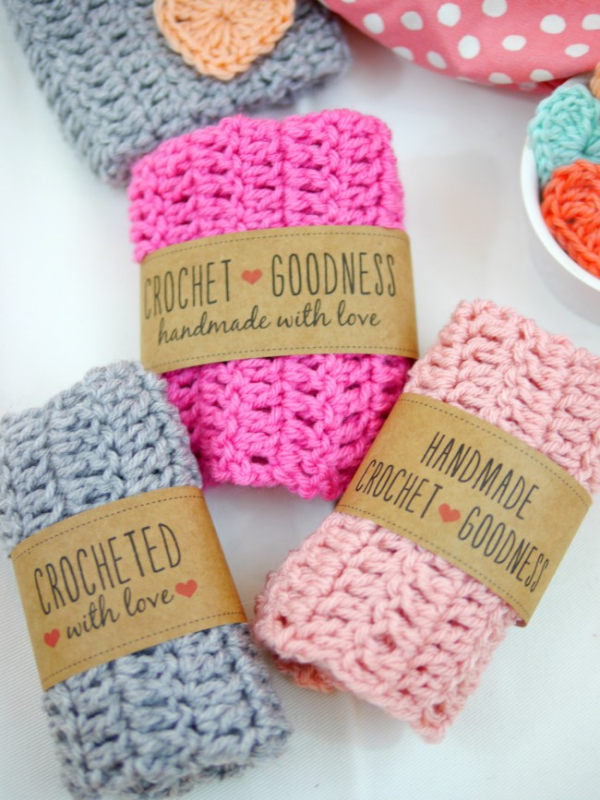
- Keep it small. A heavy box will never be passed down. A simple crochet kit with a handful of curated items is usable and portable.
- Consent matters. Ask before recording; older memories can touch on sensitive topics.
- Catalog gently. Date notes and recordings. A scribbled “June 1995, Mary” goes a long way.
- Make replacement-friendly patterns. If a tiny tomato is lost, the next generation should be able to make another without a complex tutorial.
What This Does for Relationships
You get more than crafts. You get a shared language.
- Adults who think they have “no time” often find 15 minutes for a stitch and a story. The act reduces social friction—people talk more easily when hands are busy.
- Kids learn the cadence of family stories and get hands-on lessons in continuity: “This button came from Grandma’s coat,” or “We made these strawberries every summer.” Those tactile links beat a wall of facts.
- Over time, the kit becomes a reason to revisit relatives, to swap techniques, to laugh at earlier attempts. It’s both social and archival.
Closing — A Stitch Can Be a Sentence
If you want a small, affectionate experiment: build one crochet kit with one pattern, one recorder, and three prompt cards. Invite two family members over. Make the pattern. Ask one question. Record what they say.
You won’t capture every history, obviously. But you will start a local archive of voice and touch—tiny, imperfect, humane. That’s the point. A crochet kit that carries a story is a little rebellion against forgetting.
P.S. If you’re a beginner, don’t be shy—this kind of kit is especially gentle and welcoming. And yes, the results are often unexpectedly cute. For adults who think crafting is “not for them,” the memory angle makes it meaningful beyond décor.
Ready to weave memory into crochet? Start with a simple crochet kit, and see where the stitches take you.