
There’s a quiet shift happening in craft corners and gift aisles: unassuming crochet kits are no longer just a novelty for beginners; they are gradually becoming a cultural product. They are a hobby, a practical tool, and a thoughtful gift. This article maps the key industry currents shaping that evolution: who’s buying, why makers are rethinking product design, and how sustainability and tech are nudging a centuries-old craft into a modern marketplace.
Why Demand for the Crochet Kit Is Growing
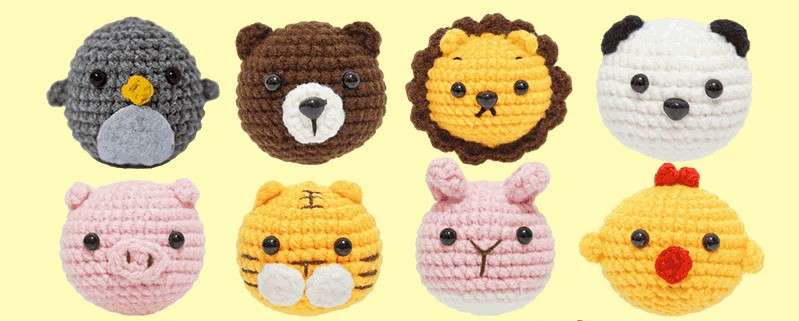
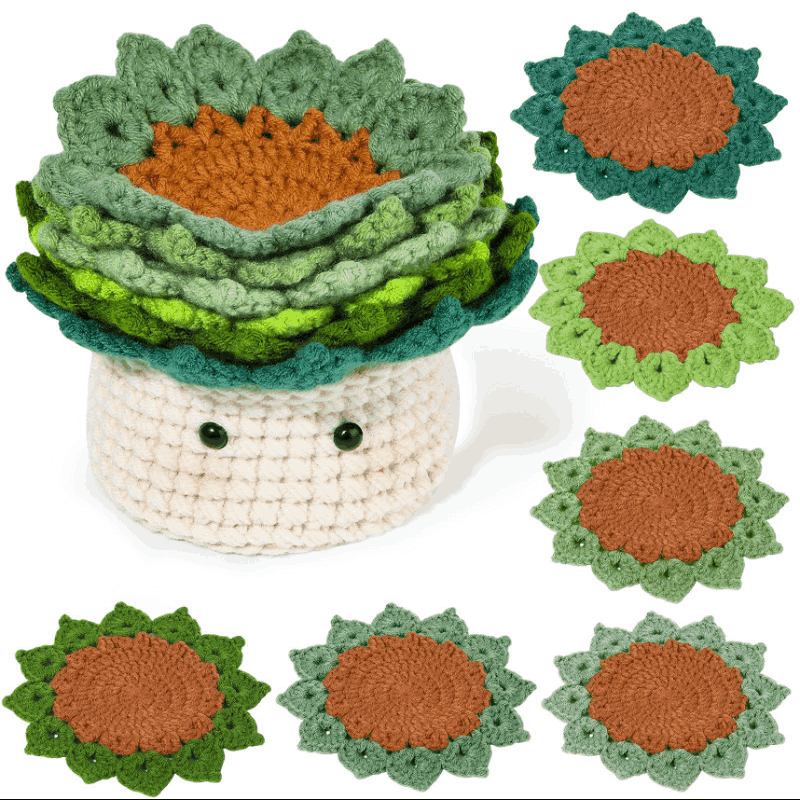
The simple reason? People want projects that fit real life. Short, easy-to-complete projects that teach you one or two practical stitches and leave you with a truly collectible finished product are the new market trend. A crochet kit today promises speed and a sensible payoff: a cute coaster, a tiny plant, or a pocket-sized animal. Those wins matter when leisure is fragmented.
Data backs the broader trend: the craft kits market has expanded rapidly over recent years, and analysts expect ongoing growth in the coming decade.
The Pandemic Imprint: Why DIY Stuck Around
When the world paused, many people picked up making as a way to pass time and manage stress. Crochet and knitting saw a visible uptick during lockdowns, and that momentum didn’t fully unwind afterward. The crochet kit moved from “something to do” into a habitual way to reclaim quiet time. Researchers studying craft activities during the COVID-19 pandemic found a significant increase in participation and that crafts offer benefits for physical and mental health. Crocheting is a lasting habit, not just a pastime during isolation.
Who’s Buying Crochet Kits Now?
A significant generational shift is underway: young people and Gen Z creators are embracing crochet and related handicrafts, partly because they value sustainable, handmade methods, and partly because the aesthetics of handmade crafts align perfectly with social media platforms like Instagram and TikTok. At the same time, older adults continue to use crochet kits for stress relief and social crafting. Journalistic coverage finds young people citing craft as a “lifeline” from screen fatigue.
So, the buyer profile is broader: people who want to learn to make something substantive; parents looking for safe, indoor activities for kids; and adults seeking low-cost, low-commitment creative outlets.
Product Design Is Shifting: What Successful Crochet Kits Now Include
Manufacturers and small brands are adapting. A few notable shifts:
- Clear, short pathways to success. Kits are designed so a complete item is achievable in a single evening. That means patterns, larger hooks, and pre-measured yarn. When a crochet kit promises “one evening, one coaster,” people actually open it.
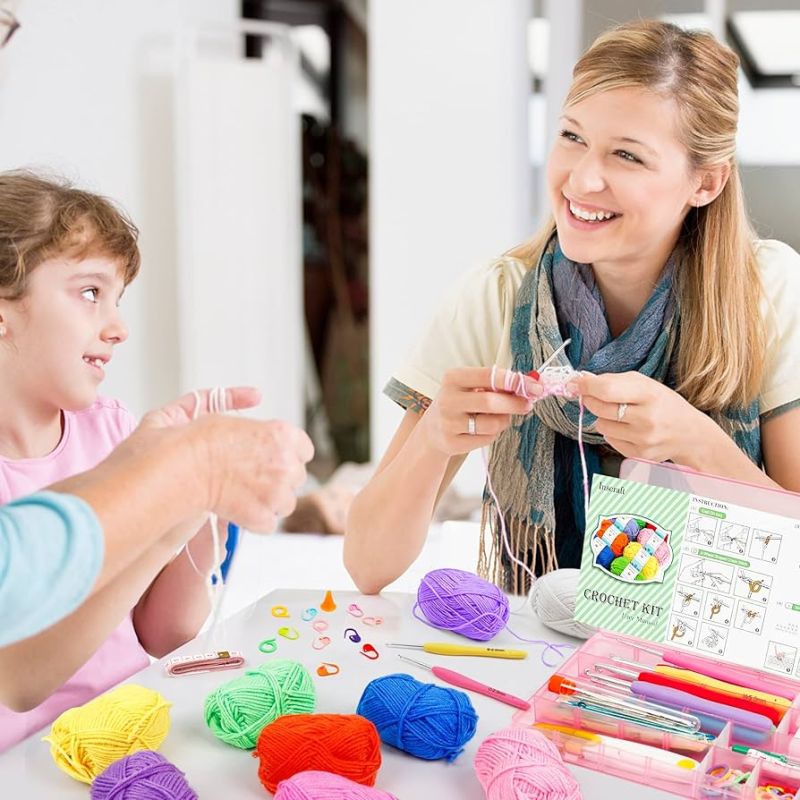
- Better visuals and learning aids. Photo steps reduce anxiety for beginners. Clear steps can translate interest into action.
- Focus on versatility. One crochet kit that produces either a set of coasters or small ornaments multiplies perceived value.
- Aesthetic-first products. Kits that aim for “cute” shelf appeal or Instagram-ready colors get shared more.
These product choices are not just marketing fudge; they are tactical responses to how people actually use kits.
Sustainability and Materials: The New Baseline
Consumers increasingly expect transparency about materials. The crochet kit that uses recycled or plant-based fibers, or that minimizes plastic in packaging, aligns with slow-consumption values. Academic and industry commentary highlights the significant role of handcrafted goods in supporting low-impact consumption patterns, such as replacing mass-produced goods with handcrafted items. Brands that demonstrate these values in the kit earn trust.
What This Means for Makers, Retailers, and Buyers
For indie designers: design fast wins, add tutorial media, and think about sustainable packaging. For retailers: position kits as experiential gifts and support discovery with user-generated content. For buyers: expect better learning resources and more choices that fit short attention spans. The crochet kit is now an industry product category, not just a craft supply.
Conclusion
The crochet kit has evolved from a simple beginner hobby into a thoughtful, culturally relevant craft that meets the needs of today’s makers. With sustainability, practical design, and tech-enabled learning shaping the market, these kits offer fast, rewarding projects while supporting mindful consumption. Whether you’re a parent seeking a creative activity for your child, a young creator looking to craft something Instagram-worthy, or an adult carving out time for yourself, there’s a crochet kit designed to fit your lifestyle.
Ready to experience the trend yourself? Explore our range of crochet kits and start creating today.