Care & Cleaning for Crochet Plants: Make Your Work Last Longer

For plant lovers who can’t keep a cactus alive, the fake-but-adorable route is wildly satisfying. And if your first crochet kit came with soil-free succulents? Even better. Let’s keep them looking fresh for years.
Why This Matters
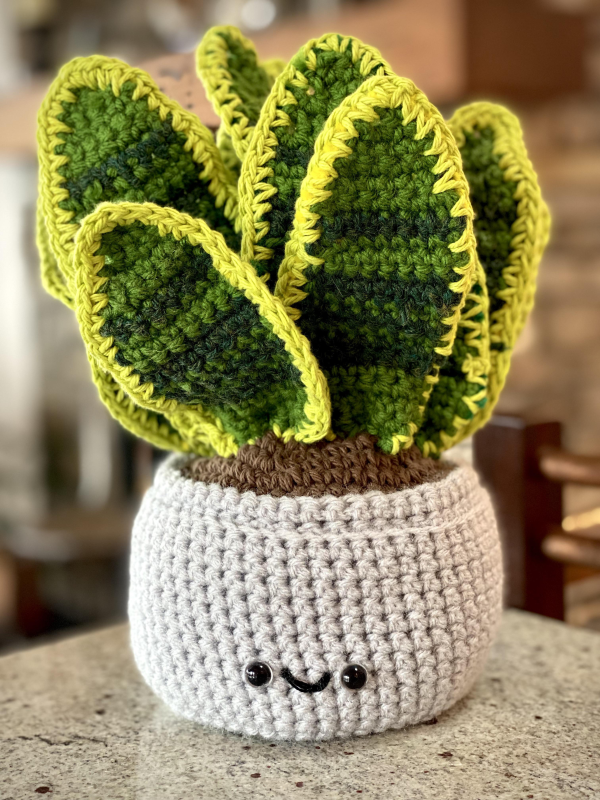
Crochet pieces aren’t clothes. They’re soft sculptures—loops, threads, stuffing, sometimes safety eyes—so a laundry day dunk rarely ends well. Good news: you don’t need it. With smart habits (tiny ones), a plant from your crochet kits stays upright, fluffy, and camera-ready. If you’re a beginner, or a total starter to amigurumi, this guide saves you from the “why is my leaf curling?” spiral.
What Your Piece Is Made Of
- Yarn Types. Cotton handles gentle rubbing; blends feel soft but can pill. Fuzzy fibers look cute and trap more dust.
- Stuffing. Most use polyester fiberfill. It hates soaking—hello clumps.
- Hardware. Safety eyes, a dab of glue, maybe a wire inside for shape. Hot water + time = loosened parts.
Rule of thumb: if you’re unsure, test on a hidden spot. Tiny spritz. Wait. Breathe.
Daily Habits That Add Years and Calm
1) Dust Management
- Soft brush, camera blower, or lint roller once a week. Two minutes. Done.
- Keep pieces away from kitchen oil mist and very curious pets (or kids who learn by “taste testing”).
- Display in a semi-closed shelf or a clear acrylic box if your place gathers dust fast.
2) Shape Maintenance
- Light tap, then pinch back the silhouette—especially leaf edges.
- If a leaf wants to curl, place a warm (not wet) towel over it for 2–3 minutes; reshape; let it air dry flat.
3) Sun-Fade Prevention
- Direct sun bleaches color. Diffused light wins. Rotate pieces every few weeks.
- Use cool LED lamps; avoid hot halogens close up.
The “Don’t Panic” Cleaning Flow
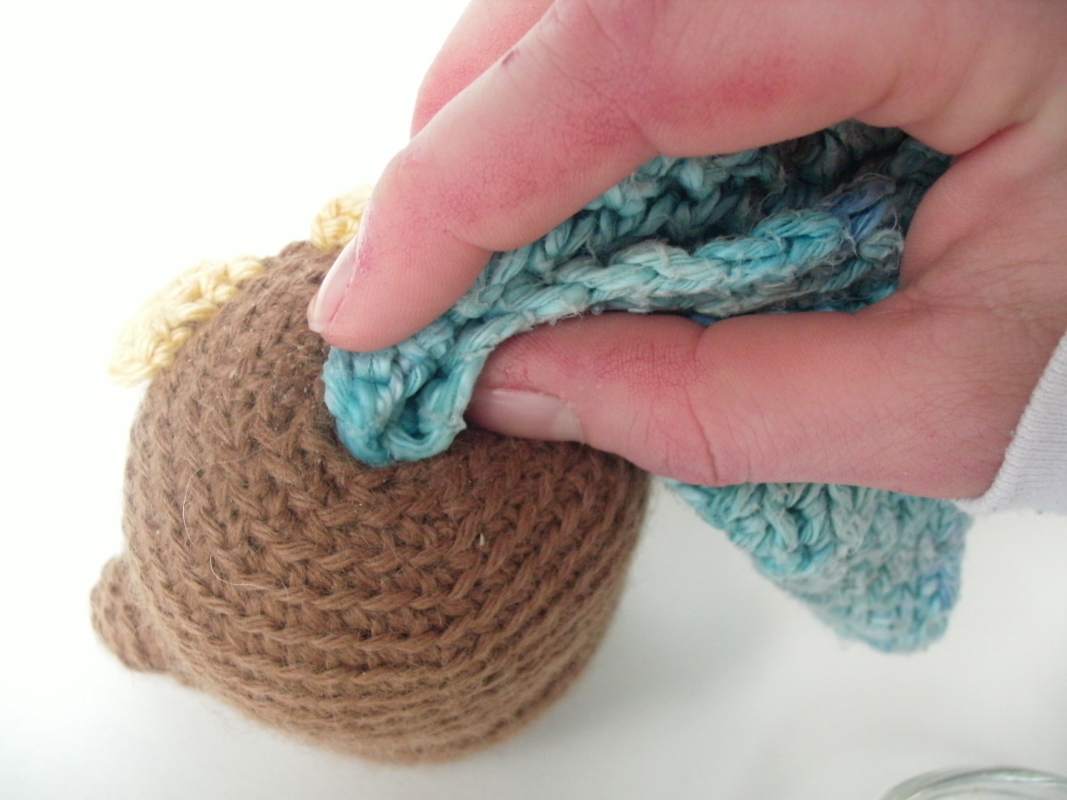
Tools You Actually Need
Lint roller, soft brush, cotton swabs, cosmetic pads, spray bottle, needle nose tweezers, mild detergent (baby-safe works), paper towels.
Spot Cleaning (99% of Messes)
- Dry first. Brush or roll away loose dust.
- Dilute. 1:40 detergent to water in a spritzer.
- Mist the stain. Don’t drench the threads; think dew, not rain.
- Swab with the grain. Wipe along the loops, not across.
- Blot and dry. Press with paper towel; air-dry flat in shade.
Special Cases:
- Coffee/Tea: treat immediately; repeat light passes instead of one heavy rub.
- Oil: a drop of dish soap solution, then rinse with a damp pad.
- Marker: test in a hidden spot first. Alcohol can strip color—last resort only.
“Half Wash” vs. “Full Wash”
- Half Wash: multiple spots, light odor. Shield the eyes/metal bits with plastic wrap, clean only the fabric areas, then dry flat on a rack.
- Full Wash: rare. If storage got musty, seal your plant in a zipper bag with lukewarm suds, gently swish for under a minute, rinse the same way, towel-press, and dry flat. No wringing. No spin. No dryer. Please.
Pilling & Lint
- Snip pills with a fabric shaver or tiny scissors—no harsh scraping.
- For lint and pet hair, a low-tack tape roll beats industrial glue tape.
- Prevention: don’t let rough burlap or splintery wood rub the piece for months.
Display Like You Mean It
- Rule of three: cluster pieces in three different heights with intentional space between.
- Micro-scenes work: a tray, a glass cloche, a soft night light—instant tiny garden.
- Kitchen staging? Keep your DIY lettuce away from steam and splatters. Cute, not soggy.
Storage That Doesn’t Squash
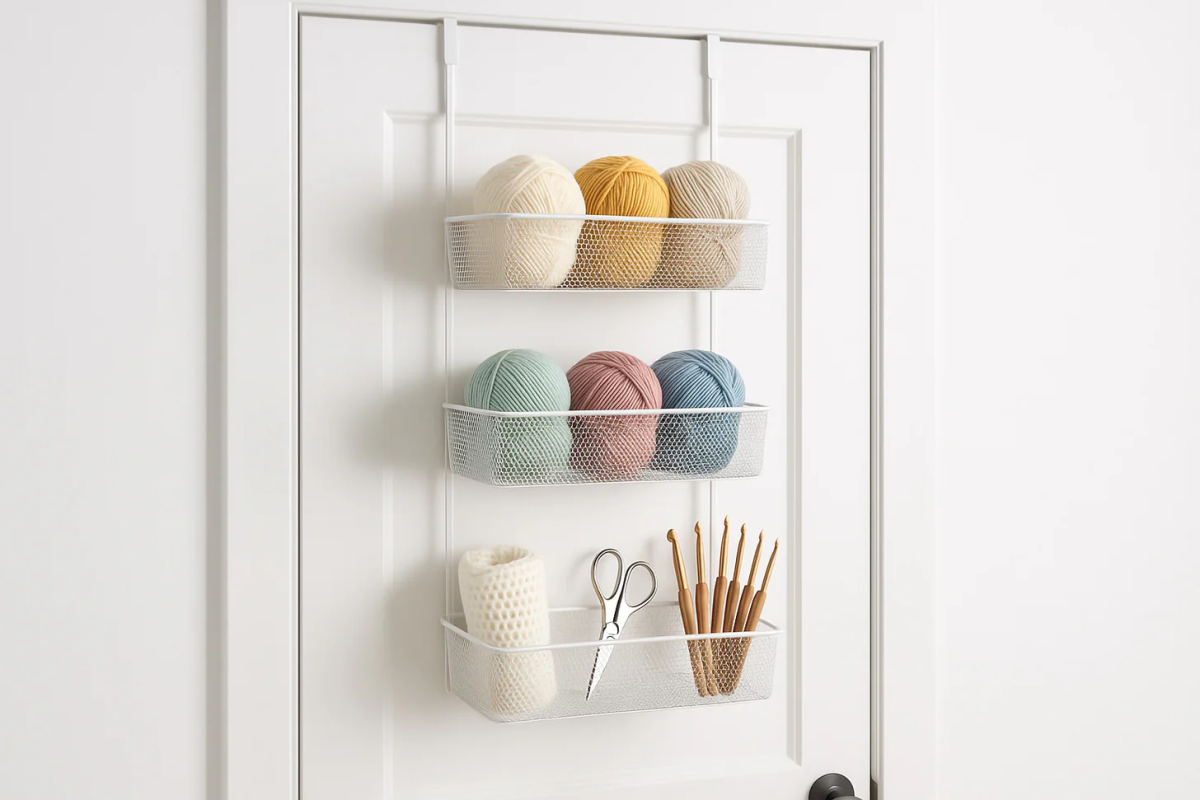
- Short term: dust bag or drawer, flat lay.
- Long term: sealed bins with silica gel. Label by theme (succulents, potted plants, holiday).
- Swap by season. December? Out come the red-green accents and that tiny penguin next to your plant—hello christmas shelf.
Common Mistakes to Skip — Learned the Awkward Way
- Hot blow-dry or sun bake → color fade + warp.
- Strong detergent straight on fabric → rough fibers, dull color.
- Hanging a heavy piece by one stitch → stretched threads, sad plant.
- Machine wash “just this once” → it’s never just once.
Quick FAQ
Can I machine wash my plant?
No. It’s sculpture, not a T-shirt.
What if it smells musty?
Try the zipper-bag “full wash” method above, then air out near (not on) activated charcoal.
A safety eye got wobbly.
Reopen a seam, re-seat with its washer, and stitch back. Avoid slathering glue—it can bleed.
Recommended Kits for Plant Lovers (and Nervous Beginners)
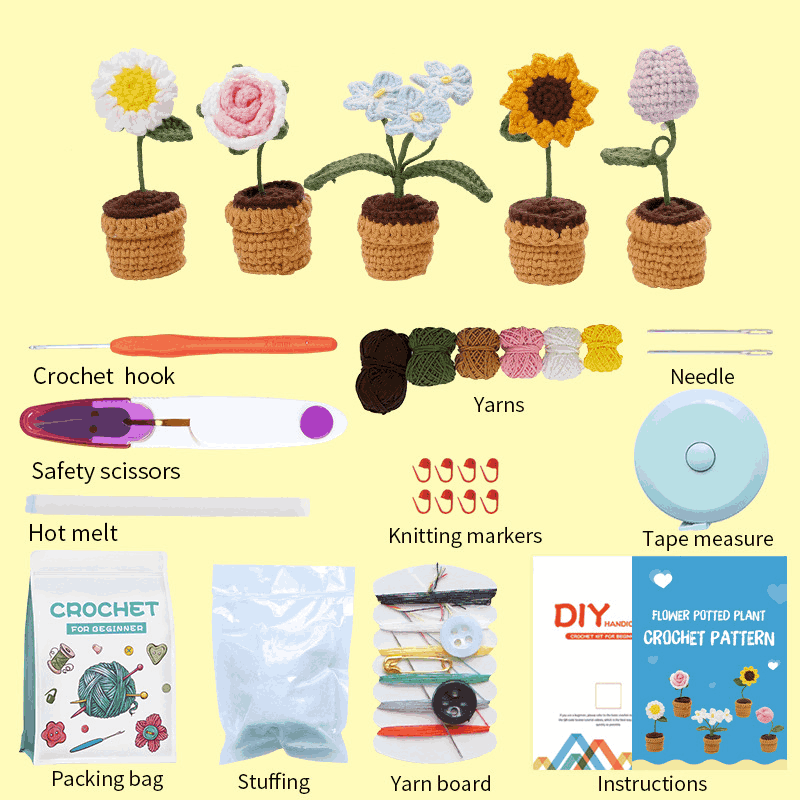
- Succulent Plants Crochet Kit — small modules, great for beginners to learn repetition and speed.
- Potted Plant Crochet Kit — more sculptural; still friendly for a careful starter.
If you’re deciding between crochet kits, start with one plant, then add a tiny mascot. The best “I can finish this” path for a true beginner.
Wrap-Up
Your plant doesn’t need watering; it needs care in minutes, not hours. Dust, rotate, spot clean, store smart. That’s it.
Ready to make and keep a fresh little garden? Explore our plant-themed crochet kit picks:
- Succulent Plants Crochet Kit — fast wins for beginners and any starter who wants results tonight.
- Potted Plant Crochet Kit — fuller shapes, display-ready in a weekend.
Keep this guide handy, then go build your low-maintenance jungle. And if you’re comparing crochet kits right now… Pick One, hit “add to cart,” start the first leaf. You’ll get better every stitch.