
You can preach about vegetables until kingdom come, or you can let kids make them. What’s healthy? Where do they grow? A crochet kit can create playable fruits and vegetables, transforming abstract lessons into tactile and memorable experiences. This article explores how creative parents, teachers, and after-school leaders use simple craft projects to teach nutrition, fine motor skills, and even early STEM thinking.
Why Making Beats Lecturing and How a Crochet Kit Helps
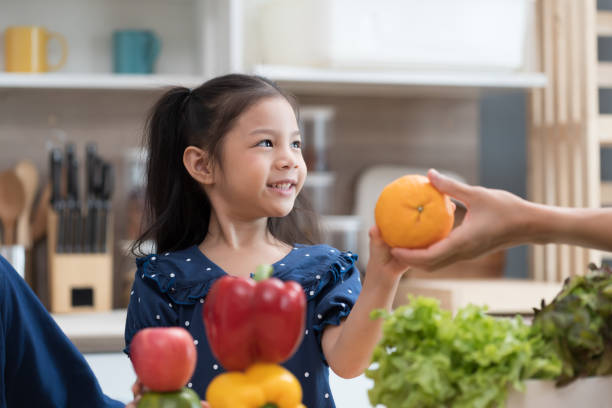
Kids learn by doing. When they hold a soft carrot they made themselves, the vegetable is no longer an abstract concept but a tiny victory—a conversation starter that invites tasting, sorting, and story-making. A crochet kit turns learning into multiple small wins:
- Hands-on learning: Making strengthens hand-eye coordination and fine motor skills.
- Curiosity hooks: A finished plush tomato or carrot invites questions: “Where does a carrot grow? ” “What color is a ripe tomato? ”
- Ownership: Kids are more willing to try what they’ve created. That’s the educational magic.
And yes—adults get something out of it too: calm minutes, shared projects, and the vaguest hint of smugness when your child eats a cucumber because “we made cucumbers.”
Classroom-Friendly Lesson Plans
You don’t need to be a craft expert to run a short lesson with a crochet kit. Here are three low-friction activities that pair learning goals with quick making.
“Sort & Serve”—Categories and Colors
Ask kids to sort a mixed pile of real and handmade fruits/veggies into color groups or food groups. Use the Fruits Crochet Kit to add bright, durable props that match the lesson. Sorting builds categorization skills and vocabulary.
“Grow Story”—Life Cycles and Sequencing
Create a simple sequence: seed → sprout → plant → fruit. Have kids make one stage (a seed bag, a leaf, or a tiny fruit) from a crochet kit, then arrange them to tell the growth story. This nudges early systems thinking—the same foundation as basic STEM.
“Taste & Tell”—Try Something New
Pair a tiny crochet sample with a real tasting station. Kids are likelier to taste a new vegetable if they can point to a mini replica they helped make. Keep it low-pressure: no forced eating, just exploration.
All three activities are designed for short attention spans and easy repetition—perfect for class rotations or after-school clusters.
Which Crochet Kits Work Best—and Why
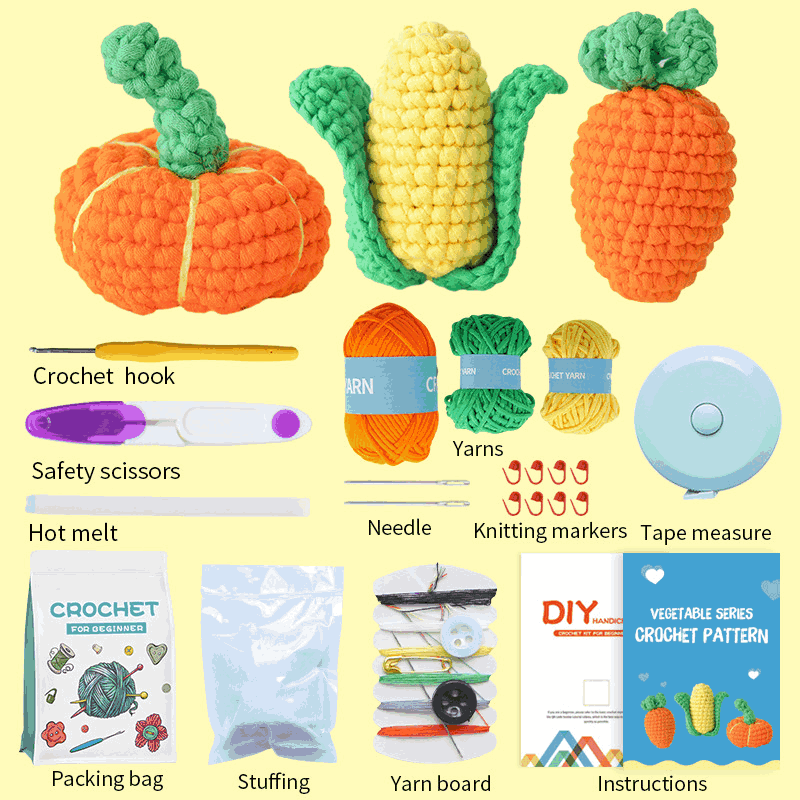
Vegetable Crochet Kit
The Vegetable Crochet Kit lets you make charming crochet veggies (carrots, tomatoes, cucumbers, etc.). It comes with premium yarn, hooks, and clear patterns—great for teaching kids about healthy eating, decorating kitchens, or gifting to plant lovers. Suitable for beginners and experienced crocheters alike.
Why it fits: the vegetable set directly maps to food education. The shapes are obvious (carrot = orange cone), which keeps focus on learning, not pattern trouble. Because the kit is designed for beginners, it’s forgiving in group settings.
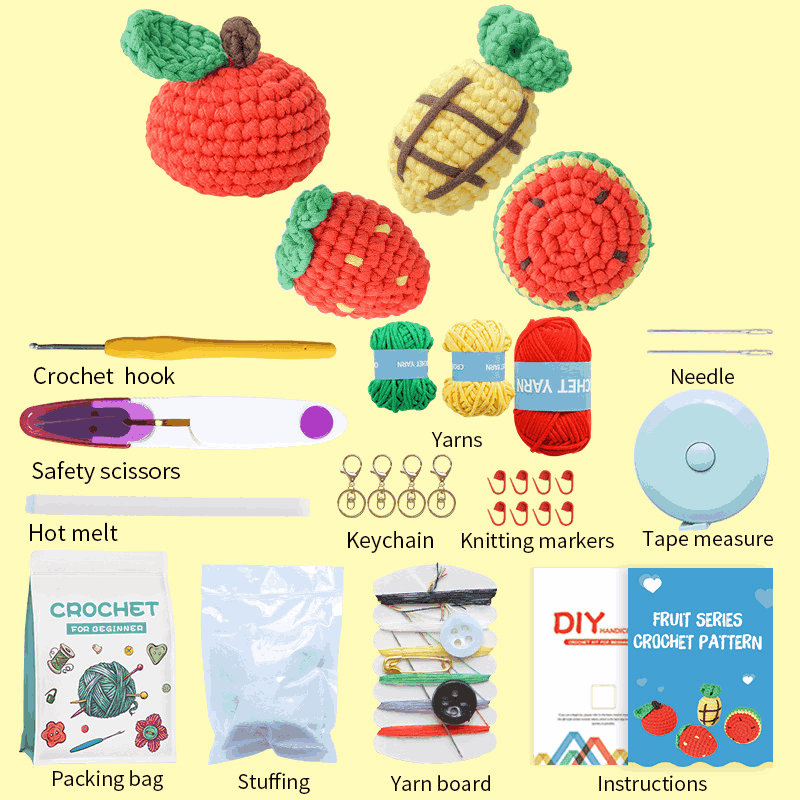
Fruits Crochet Kit
Create a bounty of crochet fruits (strawberries, bananas, apples, etc.) with the Fruits Crochet Kit! It includes vibrant yarn, hooks, and detailed patterns. Perfect for playful home decor, photography props, or gifting. Easy-to-follow instructions ensure a joyful crafting experience for all skill levels.
Why it fits: colorful fruits make for excellent visual cues in lessons. They’re also wonderfully portable—stitch a handful for snack-time stations or a show-and-tell tray. The kit’s step-by-step approach helps teachers and parents who want structured guidance.
How to Run a Kid-Friendly Crochet Kit Session
Running craft time with kids is mostly about preparation and expectation management. Here’s a checklist that keeps things smooth:
- Pre-wind yarn into smaller balls (less tangling).
- Pre-cut and label tiny bits if you’re worried about scissors or small parts.
- Set a low completion goal: one berry, one carrot top, a coaster center—something achievable. Success fuels curiosity.
- Rotate helpers: older kids or volunteers assist younger ones; that builds leadership and reinforces learning for helpers.
- Keep safety in mind: supervise small children around needles; consider plastic blunt-ended hooks if needed.
These small process choices turn a chaotic craft hour into a repeatable learning session.
From Play to Habit—Turning Craft Into Continued Curiosity
A crochet kit is a stepping stone. After a few sessions, kids are accustomed to making things with yarn and are more likely to:
- Try new foods because they made a mini version.
- Ask how plants grow and where foods come from.
- Join in future projects—knitting, gardening, or farm visits.
The craft becomes a gentle nudge toward a curious, hands-on attitude.
Conclusion
Using a crochet kit for food education blends tactile making with real-world learning—no lectures required. If you’re planning a unit on nutrition, a weekly makerspace, or a cozy family afternoon that teaches while it delights, start with the Vegetable Crochet Kit for direct food mapping and the Fruits Crochet Kit for bright, versatile props. Both are beginner-friendly and built to produce quick wins that kids remember.
Choose a beginner-friendly crochet kit to teach kids about healthy foods—shop Vegetable and Fruits kits now.