
If you’ve ever watched your cat bat a yarn ball across the room and thought, “That could be safer,” this post is for you. A crochet kit allows you to use your spare time to create durable and safe toys for your pets, satisfying their natural instincts to pounce, pull, and chase. Below I’ll walk through the best usage scenarios for pet toys made from a crochet kit, what materials to choose, simple design rules for durability, cleaning and maintenance tips, and two kit examples that translate well into pet-friendly makes. These suggestions are highly practical because making toys for pets should be fun, not risky.
Why a Crochet Kit Is a Good Starting Point for Pet Toys
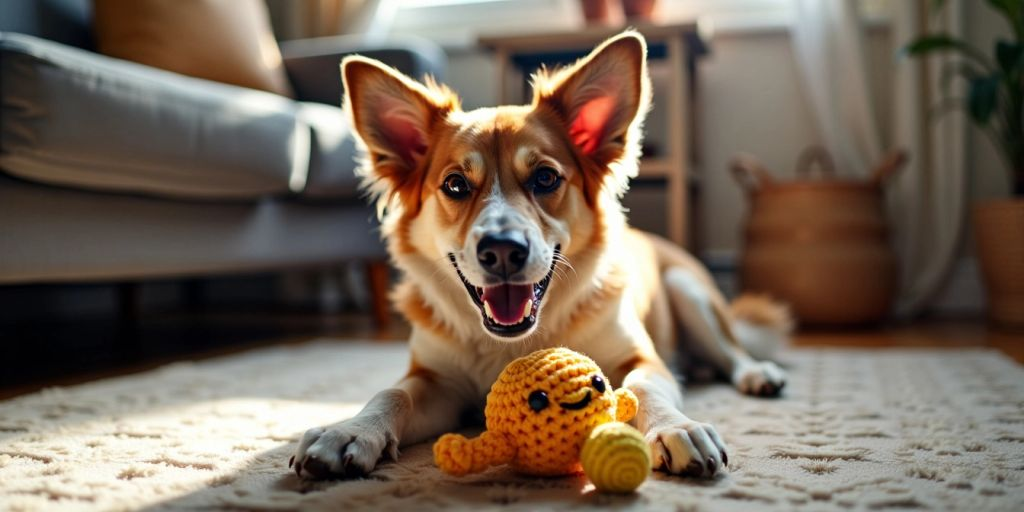
A crochet kit packages yarn, hooks, and patterns so you don’t have to hunt down supplies. For pet projects, that means you can pick a compact crochet kit designed for small, quick pieces and adapt those patterns into safe toys. Compared to buying mass-manufactured pet toys, a handcrafted piece from a crochet kit gives you control over materials and construction—critical when your pet puts things in their mouth.
Materials First—What to Use or Avoid
Not all yarns are created equal for pets. Choose fibers and extras with safety and durability in mind.
- Prefer cotton or tightly spun acrylic—both resist snagging and are easy to wash. A crochet kit that includes cotton or durable acrylic yarn is a plus.
- Avoid fuzzy, loose fibers that shed easily; those can be ingested. Don’t use novelty eyelash yarn for pet toys.
- Skip small parts—no safety eyes or buttons on toys for dogs or young children in the house. If your crochet kit includes decorative bits, set them aside or choose embroidery for faces.
- Use polyester stuffing carefully—stuff firmly, and double-stitch openings. For extra safety, you can omit stuffing for a flat toy or use tightly rolled fabric inserts.
Materials make or break safety. When a crochet kit lists yarn type, treat that as a feature, not an afterthought.
Design Rules for Pet-Proof Crochet Toys
Shape and construction matter. Follow a few rules and you’ll get toys that last longer and frustrate less.
- Keep it small and sturdy. Smaller items have less loose material and are easier to inspect.
- Use dense stitches. Single crochet or other tight stitches reduce holes the claws can widen. A standard crochet kit pattern that uses tight rounds is ideal to start.
- Reinforce stress points. Where limbs meet bodies or where you attach loops, add a few extra stitches and a hidden knot inside.
- Make multi-layer pieces. A double-layered flat toy (two circles stitched together) lasts longer than a single-layer square.
- Test the prototype. Tug on seams, poke stuffing, and watch for weak spots before giving it to your pet.
Translating a home décor pattern from a crochet kit into a pet toy is mostly about reinforcement and simplification.
Project Ideas from Two Friendly Kits
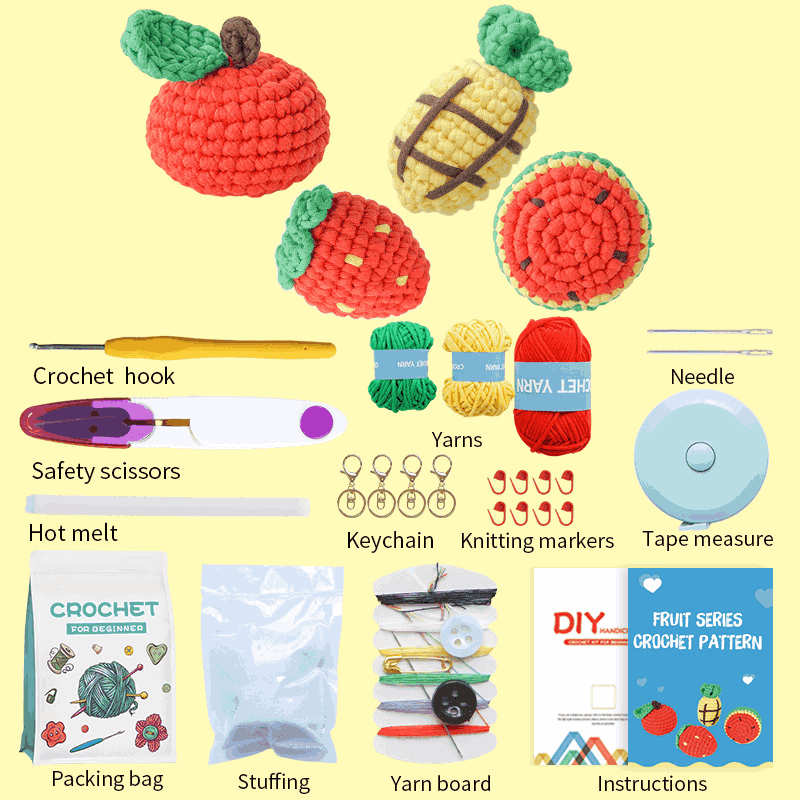
Here are two crochet kits that adapt well to pet projects—carefully chosen so you can get started right away without extra shopping.
Potted Plant Crochet Kit—Make flat plant coasters or small pot-top discs as chew-resistant, flat play pieces. Use the pattern to make two identical circles and sew them together with strong stitches; leave no loose threads. These little discs are great for supervised fetch with cats and smaller dogs.
Fruits Crochet Kit—Fruit shapes are naturally appealing: they’re small, brightly colored, and easy to grip. Turn a strawberry pattern into a dense, single-stitch charm; omit any dangling leaves or add them tightly embroidered. For cats, a tiny felt bell provides safe sound; for dogs, omit bells entirely unless supervised.
Neither kit’s patterns need heavy modification—just focus on using denser stitches and removing small detachable parts.
Cleaning, Drying, and Maintenance
Pets get things dirty fast. Make cleaning part of the toy design.
- Machine washability: Choose yarn from your crochet kit that tolerates machine washing, or be prepared to hand-wash. Use a gentle cycle and a laundry bag if machine washing.
- Dry flat: Many handmade toys fare best air-dried to keep their shape.
- Rotate toys: Keep a small rotation so you can inspect and repair regularly.
- Retire and recycle: If a toy shows holes or frayed seams, retire it before the pet can ingest fibers. Felted or shredded bits should be composted or discarded.
A crochet kit that includes washable yarn gives you peace of mind—and reduces waste.
Supervision and Training Tips
No toy is completely risk-free. Supervision and simple rules make all the difference.
- Supervised play only for new toys. Watch the first few sessions and repair anything that begins to give.
- Use toys for fetch and chew sessions rather than continuous access. That way you limit wear and monitor safety.
- Teach “leave it.” Training your dog or cat prevents them from chewing apart toys.
Combine a crochet kit toy with short supervised sessions, and your pet gets enrichment, not hazards.
Selling or Gifting Pet-Safe Crochet Toys—Ethical Notes
If you plan to sell toys made from a crochet kit, be transparent about materials and washing instructions. For gifts, include a note: “Supervised play only; check seams regularly.” These small disclosures build trust and show you took safety seriously.
Final Nudge—Try a Prototype Tonight
Pick a dense pattern from a crochet kit, make a double-layer flat toy, skip small attachments, and test the result with a short supervised play session. You’ll be surprised how satisfying it is to make something your pet loves and you trust.
Find a pet-friendly crochet kit with washable yarn and patterns to craft durable pet toys today.