Fix, Fancy, or Freshen: Upcycling Home Stuff with a Crochet Kit

Tossing a chipped coaster or replacing a broken keychain may feel harmless, but after a while, those little acts of disposal start to add up. We live surrounded by small, functional things—phone charms, coasters, bags, zipper pulls—and most of them can be fixed or refreshed with a bit of creativity. Instead of buying new, you can extend their life with what you already have: a simple crochet kit.
This guide shows how to take a basic crochet set—one of eight themed kits—and use it not just for making decorative pieces, but for quick, real-life repairs. These are not big projects. Think thirty-minute wins: mending, decorating, and personalizing everyday household items with small crochet touches.
Why Repair Beats Replace
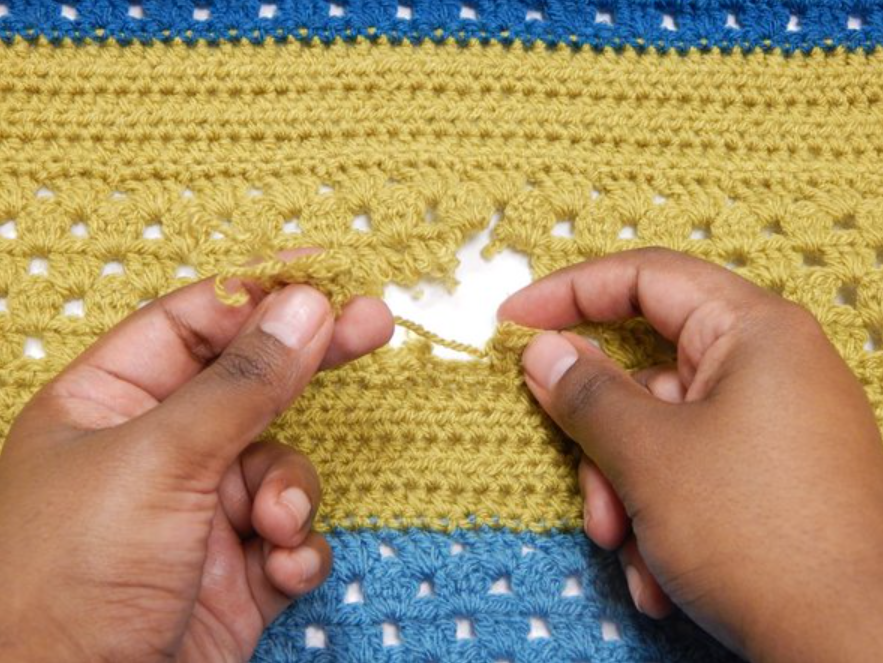
Repairs sound intimidating to most people, but they don’t have to be. We tend to picture full restoration projects or complex sewing, when in fact, small-scale “micro-craft fixes” can make a surprising difference. Crochet repairs fall right into that sweet spot—they’re quick, hands-on, and easy to personalize.
Here’s why fixing things can feel better than buying new ones:
- Repairs keep memories intact. That coaster with a chip might remind you of a good breakfast conversation. Fixing it means you keep that memory visible instead of throwing it away.
- You save time and money. A tiny crochet patch takes less effort than browsing online stores or driving to a shop.
- You get instant satisfaction. Crochet kits are built for quick results. They include small hooks, pre-cut yarn, and miniature patterns—ideal for when you want something finished today, not next weekend.
There’s also the design angle. A mended object doesn’t have to look “fixed.” A coaster patched with a neat edge stitch or a backpack zipper topped with a tiny crocheted penguin can look intentional—stylish even. That’s the beauty of visible mending: it blends care with creativity.
Match the Fix to the Kit—Smart Swaps That Actually Work
Each of the eight crochet kits comes with a theme: animals, vegetables, fruits, potted plants, succulents, penguins, plant coasters, and six-color coasters. Each can do far more than what’s shown on the box. You can repurpose small pieces, reimagine patterns, and create functional add-ons using nothing more than leftover yarn and a bit of patience.
Below are real, practical examples for each kit—mini projects that work without buying extra supplies.
Animal Crochet Kit → Zipper Pulls & Toy Patches
Those tiny amigurumi animal heads aren’t just for display. Sew one to a broken zipper tab or backpack pull, and suddenly it becomes a playful accessory. Lost a button on a child’s toy? Replace it with a small crocheted cat or bear face. It adds both texture and personality, turning a small mishap into something cuter than before.
Vegetable Crochet Kit → Fridge Magnets & Napkin Weights
Use the vegetable shapes creatively—make a crocheted carrot, stuff it lightly, and glue a small magnet on the back. You’ve got a colorful fridge magnet. For outdoor use, sew a small coin inside to give it weight and use it to hold napkins on a picnic table. They’re practical, reusable, and cheerful conversation starters.
Fruits Crochet Kit → Drawer Fresheners & Keychain Covers
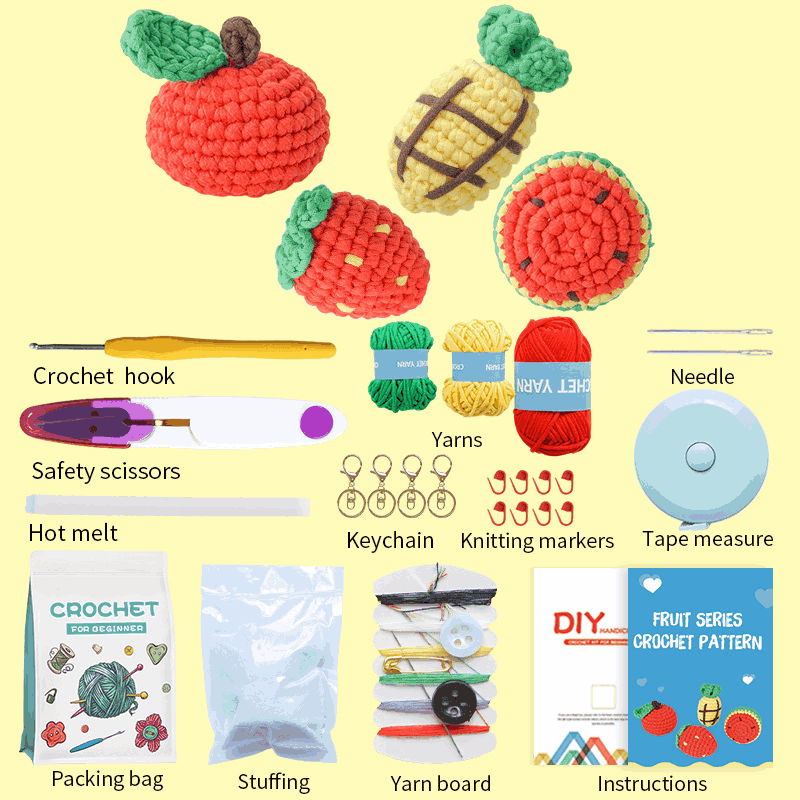
Crochet a small lemon, orange slice, or strawberry. Add a drop of essential oil to the stuffing, and tuck it in your drawers to keep them smelling fresh. Or, slip a fruit over a dull key fob to make your keys easier to spot. It’s a subtle blend of utility and fun—a sensory detail that brightens daily routines.
Potted Plant Crochet Kit → Cable Organizers & Plant Saucers
Flat crochet pot covers can easily become cable wraps. Simply wrap, tuck, and secure with a small stitch or button. No more tangled phone chargers. You can also make small crochet saucers for potted plants—the yarn cushions surfaces and absorbs minor drips. These fixes look intentional, even decorative.
Succulent Crochet Kit → Pincushions & Lens Cap Covers
Crocheted succulents are not just decorative. Fill one firmly and you have a stable pincushion for your sewing corner. Or use it as a soft cover for small camera parts and lens caps to keep them scratch-free in your bag. These small touches combine craft with clever function.
Penguin Crochet Kit → Holiday Ornament Repairs & Pet Toy Fixes
If a holiday ornament loses its hanging loop, a tiny penguin can stand in for it—attach it to the string and you’ve got a whimsical replacement. Got a pet toy with a small rip? Sew a crocheted penguin over the damaged area. It hides the tear and gives the toy a personality boost.
Potted Plant Coaster Kit → Trivet Repairs & Drawer Liners
Enlarge the pattern slightly, and your coaster becomes a trivet. You can also join several coasters together to create a soft liner for a shallow drawer. This adds texture, keeps items from sliding, and looks much tidier than paper or fabric liners.
Six-Color Coaster Kit → Color-Block Patches & Fabric Touch-ups
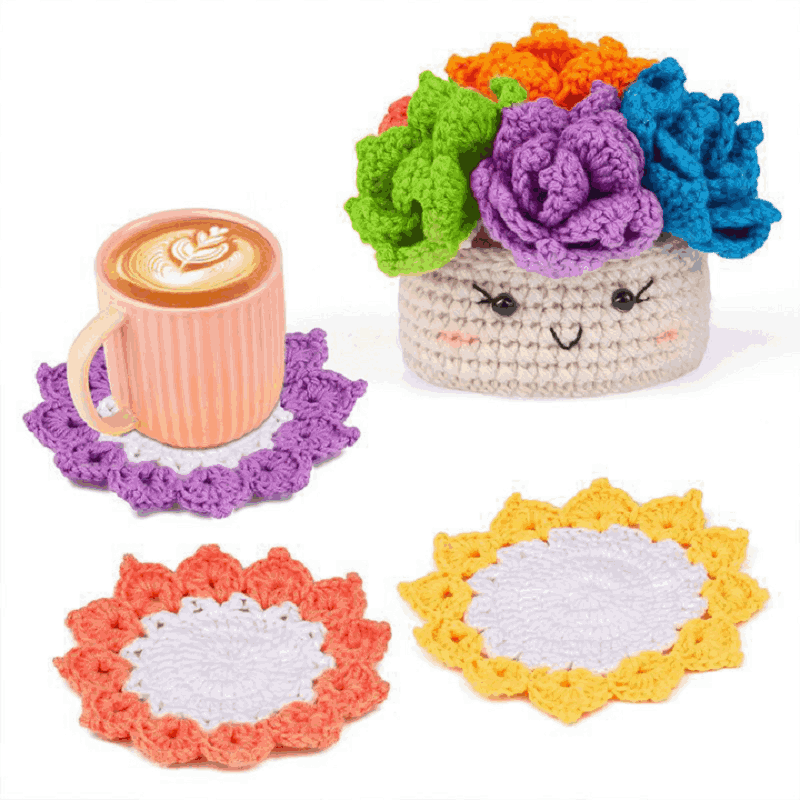
Crocheted coaster squares can double as colorful patches for scuffed fabric—like bag corners or cushion edges. The multicolor pattern disguises imperfections, making the patch look deliberate rather than like a repair. It’s mending that reads as design.
How to Plan a Tiny Repair Session
If you treat small repairs like micro-projects, they stop feeling like chores. Here’s a simple step-by-step routine:
- Pick one item only. A chipped coaster, a missing zipper pull, or a torn seam—keep it small.
- Choose a matching kit. Look for similar color, scale, or texture.
- Set a timer for 30–60 minutes. Limiting time helps you focus and prevents overthinking.
- Use contrasting yarn first. If you’re new to crochet, high contrast makes mistakes easier to spot and correct.
- Finish neatly. Weave in the ends, trim them close, and use a tiny dab of fabric glue if the piece needs reinforcement.
Completing a single fix this way turns the vague “I should fix that someday” into “Done.” Over time, it becomes a satisfying ritual—the kind that makes your space feel more personal and cared for.
Tips for Keeping Repairs Looking Intentional
The key difference between a beautiful fix and a messy one often comes down to proportion and attention to detail.
- Match yarn to scale. Thick yarn on a small zipper will look awkward; fine yarn on a big coaster won’t hold shape.
- Hide or highlight deliberately. A whipstitch border or color contrast can make the repair look designed, not accidental.
- Asymmetry works. A patch placed slightly off-center often feels more creative than a perfectly aligned one.
- Reinforce for use. For anything that gets tugged or washed frequently, add a hidden inner stitch or knot.
These tricks make small crochet mends look thoughtful—like creative design choices rather than repairs done out of necessity.
Tiny Projects That Teach
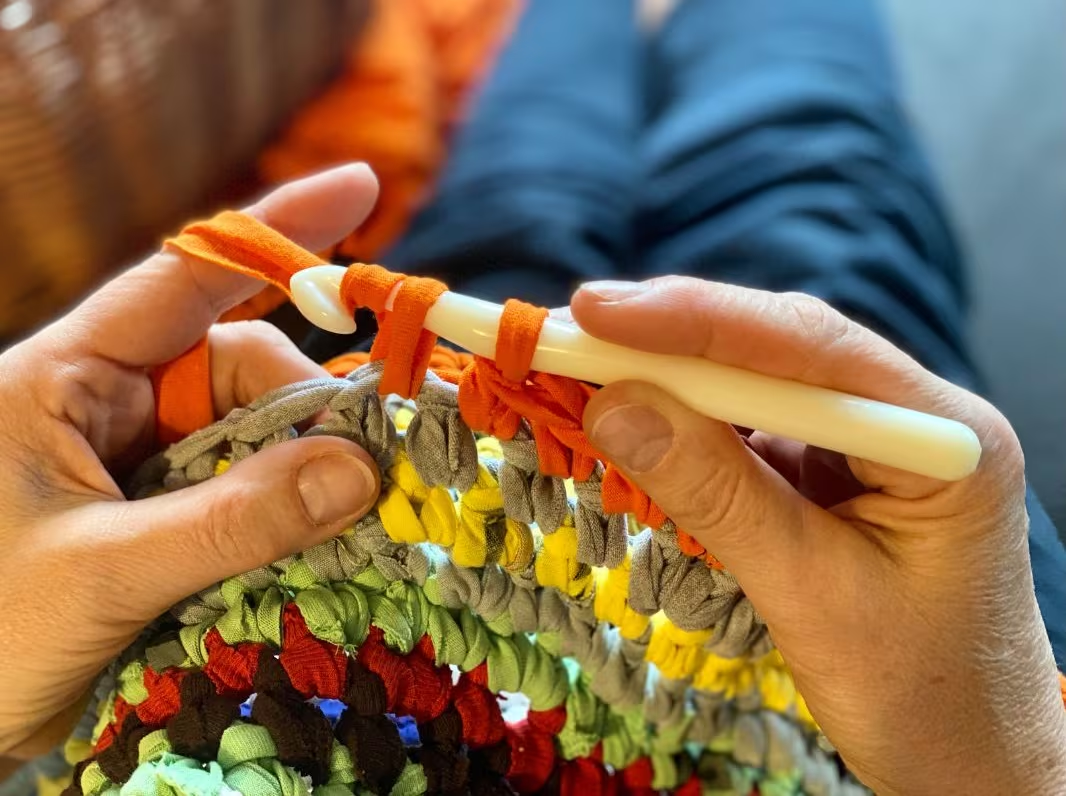
Crochet repair isn’t just practical—it’s educational. Each tiny project teaches something about the craft: tension control, joining, shaping, and color coordination. These are foundational skills for larger crochet work later on.
Beginners often get discouraged because big projects take weeks. Here, progress is immediate. A repaired coaster or freshened drawer liner sits in plain sight, quietly reminding you of what you’ve learned. That visible feedback loop builds confidence—each fix is a small victory that makes you more capable next time.
Over time, you’ll notice changes: your stitches even out, you make fewer mistakes, and you start to see potential in damaged things rather than waste. That mindset shift—seeing objects as fixable—is one of the most empowering parts of learning craft skills.
A Short Checklist Before You Start
Keep this quick checklist handy before diving into your next micro repair:
- Pick the kit that best matches color and scale.
- Gather your essentials: a needle, scissors, and a bit of workspace light.
- Choose a time block (20–60 minutes) and put away distractions.
- Use an elastic band or clip to hold stitches if you take a break.
- Take a “before” photo—it’s motivating to see how much difference small effort makes.
You don’t need a craft room or expensive setup. A coffee table and a quiet half-hour are more than enough.
Final Stitch—The Point of Tiny Repairs
There’s a quiet joy in rescuing something small and useful from the edge of being tossed away. Crochet gives you the tools to do that with color, texture, and a touch of personality. These tiny acts—patching, wrapping, or decorating—extend an object’s story while cutting down waste.
The next time a coaster frays or a zipper tab snaps off, resist the instinct to replace it. Reach for your crochet kit instead. Whether it’s the fruit kit or the animal one, you already have what you need to give that item a second life. These little fixes add up. Over time, your home starts to look more lived-in, more intentional, and more you. Every repaired item becomes a quiet reminder that small actions matter—and that craft can be both useful and joyful.
So grab your crochet hook, pick a tiny problem, and start mending. A few loops of yarn can do more than fix a flaw—they can freshen a space, lift your mood, and remind you that care is a kind of creativity.