
A single crochet kit does seem small on paper: a hook, some yarn, and a pattern. But give it to the right person in the right moment, and it becomes the start of a story—a meet-cute at a café, an intergenerational ritual, or a fundraiser that turns into a weekly club. This article collects short user stories and pulls out practical lessons for anyone who wants to use a crochet kit not just to make things, but to build connection. Expect real voices, small surprises, and tips you can try in your own corner of the world.
Story One—Neighborhood Therapy, One Crochet Kit at a Time
When Mia moved into an apartment complex with an awkward common room, she brought a crochet kit to a building mixer. She wasn’t trying to be a community organizer; she just wanted something comforting to do while people mingled. Two hours later, neighbors had traded phone numbers, and a rotating “take-a-kit” shelf had formed.
Key takeaways:
- A crochet kit lowers social friction. People who might shy away from eye contact can still pick up a hook and chat.
- Leave one kit in a shared space and watch it become a social mediator.
If you want to try this, start with a friendly, low-skill kit and a sign: “Try a stitch; keep it short.”
Story Two—Cross-Generational Stitching With a Crochet Kit
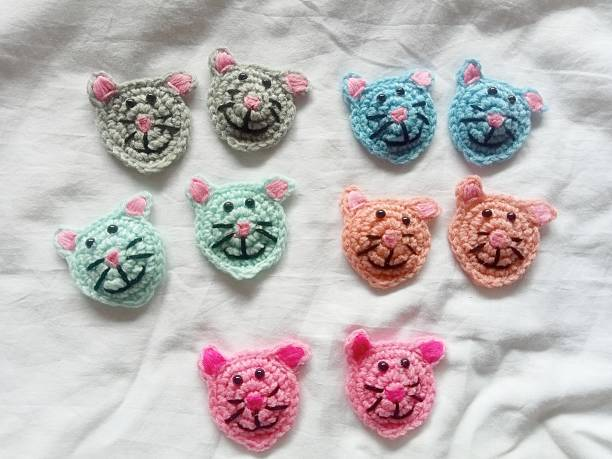
Raj used a crochet kit to bridge decades. His elderly neighbor loved knitting but hadn’t tried crochet. Raj brought a crochet kit designed for beginners, they sat on a bench, and he taught her the chain and single crochet. By week three, they were swapping show-and-tell stories—recipes, migration memories, and a tiny animal made from their shared kit now sits on Raj’s mantel.
Why it worked:
- Crochet kit projects that finish quickly create repeated opportunities for conversation.
- Learning together makes the craft a vessel for storytelling.
Tip: Choose a crochet kit with clear visuals and large hooks for older hands.
Story Three—Micro-Economies & Purpose From a Crochet Kit
A small PTA fundraiser started as a bake sale; then someone donated a few crochet kits. Volunteers met once a week to crank out mini succulents and coaster sets, selling them at the school fair. The surprise? The kids loved helping, and the items sold out fast.
What to note:
- Simple crochet kit projects are perfect for short volunteer shifts.
- Finished items are tangible products that show immediate fundraising impact.
If organizing a similar effort, select kits that are quick to assemble and kid-safe.
The Cultural Angle—Why the Crochet Kit Fits Modern Communal Life
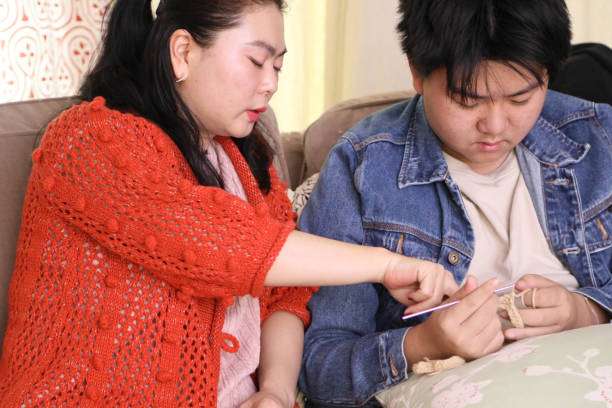
These user stories point to a broader cultural shift. People want hands-on experiences that are social, local, and tangible. A crochet kit fits neatly into this desire: it’s transportable, inexpensive, and immediate. Unlike a long-term hobby that feels like another obligation, small kit projects respect limited time and reward visible effort—perfect for contemporary communal rituals.
Practical How-To: Turn One Crochet Kit Into a Small Social Event
- Pick a low-barrier kit. If the group are diverse in skill, choose a pattern with one main stitch and a clear finish.
- Set an outcome. “Finish a coaster” is better than “learn crochet.” People like discrete wins.
- Bring extras. Have a couple spare hooks and small yarn scraps in case someone forgot their kit.
- Offer a short demo. Five minutes to show the rhythm is often enough.
- Create a simple ritual. End each meet with a photo share or a tiny swap—it keeps people returning.
A focused, friendly event amplifies the social power of a crochet kit.
Three Crochet Kits Make These Stories a Reality
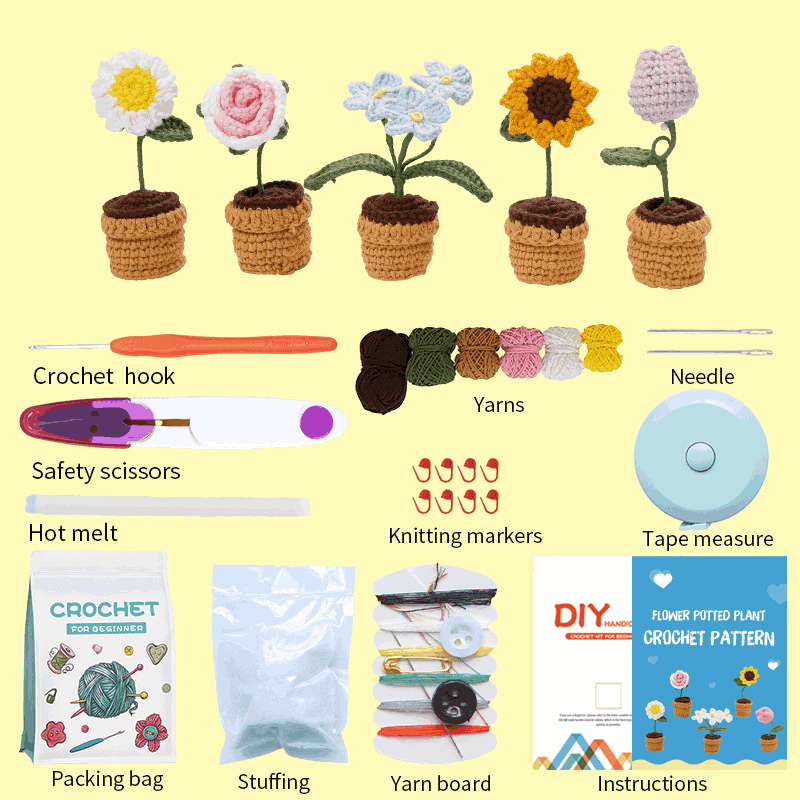
If you’re inspired to create your own moments—the kind that turn neighbors into friends or a quiet afternoon into a shared memory—a few thoughtfully chosen crochet kits can help set the stage.
Six-Color Coasters Crochet Kit—Perfect for Instant Social Sparks.
Nothing breaks the ice like a small, colorful project everyone can finish in one sitting. With six bright yarn shades and simple stitches, this kit invites newcomers to play with color and leave with a finished coaster. It’s ideal for mixers, casual clubs, or “try-a-stitch” tables where people need a low-pressure entry point.
Penguin Crochet Kit—Small, Charming, and Great for Cross-Generational Crafting.
This beginner-friendly animal project is just complex enough to feel meaningful, yet forgiving enough for older hands or absolute beginners. The finished penguin becomes a shared symbol — a cute, tangible reminder of time spent together. Perfect for family meetups, neighborhood mentorships, or slow-chat afternoons on the porch.
Potted Plant Crochet Kit—A Crowd-Pleaser for Fundraisers and Group Craft Nights.
Mini crochet plants make fantastic quick wins: they look impressive, require no watering, and finish up fast. Whether you’re hosting a volunteer night or building a small community craft shelf, this kit offers consistent results with universal appeal. They also sell beautifully at fairs or charity tables, making the effort feel instantly rewarding.
With the right kits in hand, stories like the ones above aren’t just inspiring—they’re completely achievable.
Small Risks, Big Upside—What to Watch Out For
- Skill mismatch. If your group have wildly different abilities, provide tiered tasks so everyone feels successful.
- Supply logistics. A handful of spare hooks and labeled kits prevent disruption.
- Accessibility. Consider large-grip hooks and seating needs for participants with mobility issues.
Address these, and the social payoff from one crochet kit can be huge.
Conclusion—Stitch by Stitch, Community Forms
A crochet kit doesn’t just make things; it makes moments. The user stories above show how tiny projects can become social glue: they start conversations, invite learning, and create low-cost rituals that matter. If you want to try this where you live, borrow one idea: host a short “finish-a-piece” meet-up, bring a couple kits (or invite neighbors to bring theirs), and see what happens.