Upcycle Everyday Waste with a Crochet Kit: Make Reusable Coasters

Sustainability doesn’t always need grand gestures. Sometimes it’s about swapping single-use for thoughtful, handmade alternatives that actually get used—and enjoyed. A crochet kit is a compact, low-cost way to make useful items that replace disposable goods: coasters for paper napkins, little plant pots instead of plastic décor, and cheerful gifts instead of impulse buys. This article explores realistic upcycling ideas you can do at home, how crafting can cut waste in everyday routines, and how one approachable kit can make the switch simple and rewarding.
Why Crafting Beats Single-Use, One Project at a Time
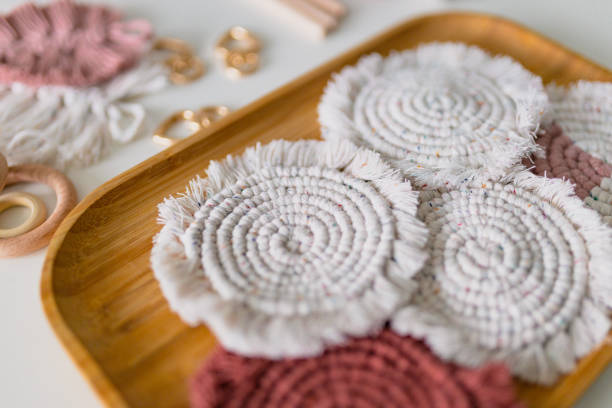
We’re all familiar with the tiny sources of waste: coffee sleeves, paper coasters at parties, and cheap plastic trinkets that end up in drawers. Swapping in a durable, handmade object is effective because it’s functional and emotionally valued. People use—and keep—things they made or received. That’s the sustainability win: a single crochet kit project can outlast dozens of disposable alternatives.
For beginners, the transition is doubly rewarding. You learn to make something useful, practice a new skill, and see immediate environmental impact. For adults who want a practical hobby, the payoff is visible on the counter: fewer paper rings, more personality.
Everyday Swaps That Actually Stick
Here are practical swaps that scale up your green habits without drama:
Replace Disposable Coasters and Napkins
A set of handmade coasters sits out, gets used, and is washable. Instead of paper napkins or flimsy coasters at home gatherings, place a stack of crocheted coasters where guests can grab one. Small action—big reduction in waste.
Make Reusable Gift Toppers and Tags
Instead of ribbon and single-use gift bows, tie on a tiny crocheted motif that becomes part of the present. The recipient keeps it. The bow doesn’t get thrown away.
Upcycle Yarn Scraps into Functional Items
Short lengths of leftover yarn can become a coaster, a tiny plant mat, or a play food piece for kids. No new materials required—just a bit of creativity and time.
These swaps are low-friction and long-lasting, which is why they’re more likely to become habits.
The Social Ingredient—Handmade Encourages Reuse
There’s a psychological element to sustainability: ownership. Folks keep what they value. A small, well-made needle creation from a crochet kit has emotional weight. Gifting a handmade coaster set encourages the recipient to use and care for it rather than stash or discard it. That ripple effect spreads sustainable behavior beyond your own home.
Plus, making in community—stitch nights or a weekend workshop—turns repair and reuse into a social event, normalizing low-waste choices.
One Kit That Makes It Easy
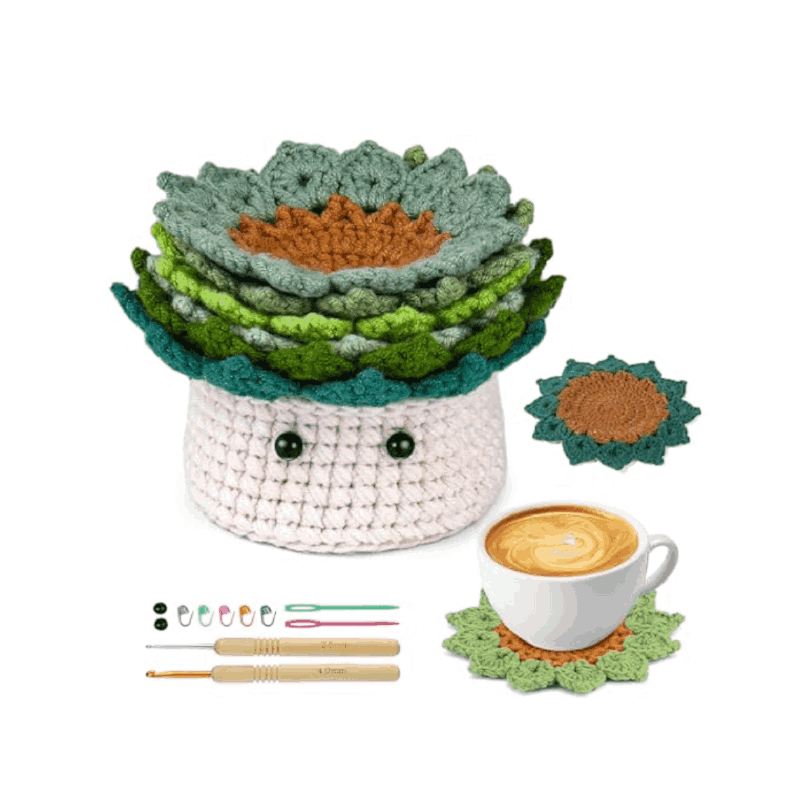
If you want a single place to start, try a kit designed for everyday use—one that produces items people will reach for daily. The Potted Plant Coasters crochet kit is a tidy example. Picture small, plant-shaped coasters clustered on a coffee table: they protect surfaces, add a natural touch, and are handwashable when needed. They’re not just decorative—they replace single-use paper and cardboard coasters at every casual coffee or tea. Best of all, their plant motif makes them feel like decor, not just utility.
Using this kit, you get a handful of small objects you’ll actually use—and that little routine of using them reduces repeated disposables over time. Make a set, keep them in a shallow basket, and watch how often you—and your guests—opt for reusable over throwaway.
Practical Tips to Make Eco-Friendly Crafting Even Greener
A few small habits make your crafting practice genuinely sustainable:
- Use leftover yarn first. Build coasters or small motifs from remnant skeins before buying new yarn.
- Choose durable colors. Dirt-wrinkling colors hide wear and allow longer use between washes.
- Repair, don’t replace. A stray seam or pulled loop is usually fixable in five minutes; keep a tiny repair kit handy.
- Teach a friend. When you show someone how quick and satisfying a coaster or tiny plant motif is, they’re likelier to adopt the swap.
These choices keep the environmental cost of crafting low while maximizing the lifespan of what you make.
From Hobby to Habit—How to Keep It Going
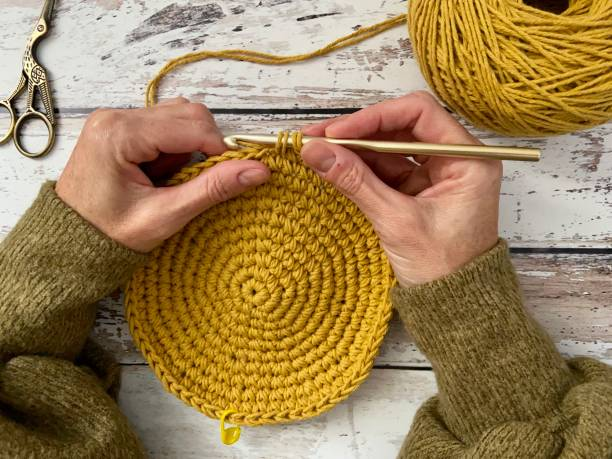
Turn small projects into a rhythm. Try a one-kit-every-season approach: spring coasters, summer tiny plant motifs, fall gift toppers, and winter ornaments. This calendar keeps crafting intentional and ensures your handmade objects rotate into practical use rather than clutter. For beginners, sticking to small projects builds confidence and actually reduces waste faster—one tiny object at a time.
Conclusion—Small Projects, Measurable Impact
A crochet kit is a low-barrier, high-impact tool for people who want to reduce waste without sacrificing style or convenience. By making practical items like coasters and plant motifs from the Potted Plant Coasters kit, you replace disposable alternatives with reusable, handmade objects that carry emotional and practical value. Start with one small swap this week—one coaster under your coffee mug—and notice how the habit grows. Sustainable living doesn’t need to be perfect; it just needs to be practical, repeatable, and enjoyable.
Start reducing disposables—make reusable plant coasters with a crochet kit and swap single-use for style.