
A humble crochet kit can be a private hobby. But in the right hands it becomes social glue: the seed for pop-up markets, tiny maker economies, and neighborhood rituals. This article explores how a single crochet kit can nudge casual makers into civic-minded creators and how that ripple builds local craft culture. We’ll look at real-world scenarios, social dynamics, and gentle ways stores or community organizers can use a crochet kit to spark more than a finished piece. If you’re a maker, a shop owner, or someone curious about cultural micro-movements, read on.
The Small-Objects Economy—Why Tiny Things Make Big Social Noise
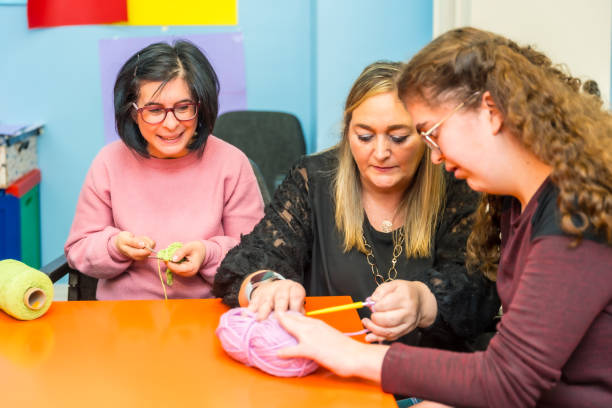
People collect small, tactile objects. A coaster, a mini animal, a succulent in yarn—these are the kinds of things that get gifted, traded, and photographed. A crochet kit that allows you to create small finished products further inspires the desire to share: you finish a piece, show it off, and someone will ask where you found the pattern or if you made it—and then a conversation begins.
For communities, this matters. Small, handmade goods are easy to display at local cafés, to sell at a weekend market stall, or to swap at a block party. A crochet kit is essentially a low-barrier business starter: low investment, quick product turnaround, and immediate proof-of-concept. That’s why so many makers begin with kits when they test whether their work will resonate beyond friends and family.
From Private Practice to Public Activity
Here are realistic, repeatable ways a crochet kit has been used to create local momentum.
Pop-Up Maker Tables
A local café invites makers to set up a small table for an afternoon. People bring a crochet kit, make a few items, and leave finished pieces for sale on a consignment shelf. The café gets community traffic; makers get exposure. The barrier to entry is small—no long-term lease, no inventory risk.
Swap-and-Share Nights
Neighborhood libraries and community centers host monthly swap nights. Participants bring their own crochet kits and exchange patterns, spare hooks, and color schemes, whether finished or unfinished. The swap becomes a place for cross-generational exchange: older makers mentor beginners, while younger folks bring new color sensibilities.
Micro-Classes and Street Stalls
At a weekend street fair, someone runs a 30-minute demo station where passersby try a stitch from a crochet kit. Quickly completed projects can convert passersby into buyers and students, such as crocheting a coaster or a small animal head. It’s social marketing that feels generous, not pushy.
Stories That Stick
A friend in Portland started with a single crochet kit for coasters. She made ten sets and posted them to a local buy-nothing group. Someone suggested selling at a micro-market; a neighbor offered a booth. Within three weekends she had repeat buyers and a small roster of local cafés that reordered. Her success began with one kit and an impulse to make a little set for friends. Small wins encourage risk-taking; risk-taking builds culture.
Another maker used an Animal Crochet Kit to teach basic stitches to a community youth group. The kids made tiny animal faces and then created a “story wall” where each animal was paired with a short line about where it came from. The project turned craft into narrative and the crochet kit into a storytelling tool that brought generations together.
Why Kit Design Matters for Culture-Building
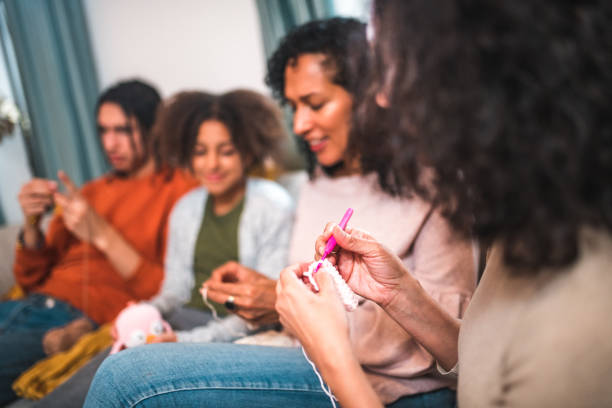
Not all crochet kits are equal when it comes to seeding community activity. The kits that scale socially usually share some traits:
- Quick finishability: small projects that can be started and mostly finished in a session.
- Clear visuals: photo steps or short video links help in group settings where one instructor supports many learners.
- Modular outcomes: assembleable parts encourage students to create more and make repeat purchases; for example, coasters can be combined to form placemats, and small animals can be combined to form wreaths.
- Shareability: finished pieces that photograph well spread on social platforms and draw more people into the fold.
Kits that meet these criteria are suitable not only for individual practice but also for important social occasions, such as colorful coaster or miniature doll kits.
How Shops and Organizers Can Leverage a Crochet Kit to Grow Local Markets
If you run a shop or community program, here are practical, low-effort ways to use a crochet kit as a cultural lever.
- Host a monthly “make & mingle.” Provide a small discount on the crochet kit for attendees. Share a short playlist and a pot of tea—people will stay longer than you expect.
- Sponsor a micro-merchant pop-up. Invite three local makers who started with crochet kits. Rotate the stall and advertise in neighborhood groups. The event costs little but signals support.
- Create a “starter shelf.” Bundle a few beginner-friendly crochet kits with a printed cheat sheet for local beginners. Visibility = social momentum.
- Document and share. Encourage makers to tag your space in photos. Social proof draws other residents in.
These moves transform a crochet kit from a retail item to a social catalyst.
Measuring the Ripple—What Small Success Looks Like
You don’t need dramatic metrics to see cultural change. Look for:
- Repeat attendees at events.
- Small sales spikes at local cafés or stalls.
- New informal groups like a WhatsApp stitch circle.
- Kids and seniors learning together—intergenerational reach is a strong sign.
A crochet kit helps you create measurable, local impact without heavy investment.
Two Picks That Work Well in Social Settings
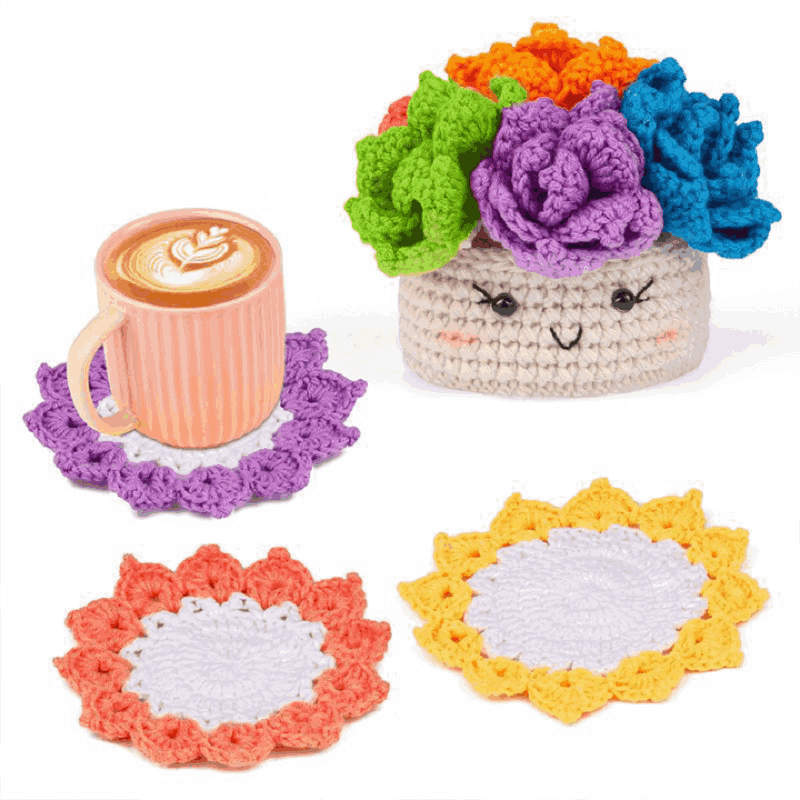
Noting the need to stay practical, here are two crochet kits that are especially suited to community activation:
- Six-Color Coasters Crochet Kit—bright, quick to make, and photogenic. Great for pop-up tables and beginner workshops.
- Animal Crochet Kit—delightful for intergenerational programs and story-based projects; kids love the hands-on creation, and adults love the charm.
Each kit supports different social goals—coasters for commerce and visibility, animals for connection and storytelling.
Final Thought—Start Small, Think Public
If you want to build local craft culture, resist grand plans. Start with a crochet kit, a table, and an open invitation. Invite neighbors, bring a couple of kits, and see who shows up. Often, the first event’s modest success is the hardest part—the rest tends to follow. A crochet kit is more than just a product; it’s a simple, low-cost way for people to participate in making, sharing, and, most importantly, exchanging ideas.
Pick a beginner-friendly crochet kit—start a make-night, teach a class, or stock a local pop-up today.