Pocket-Made: How to Build a Portable Crochet Kit for Everyday Life

You don’t need a closet full of yarn to make meaningful things. A small, thoughtful crochet kit—one that lives in your bag—turns idle minutes into tiny victories. This piece walks you through why a portable kit matters, what to pack, how to pick micro-projects that actually finish, and a few tips so your next commute, coffee break, or layover becomes a little workshop.
Why Carry a Mini Crochet Kit?
People imagine crafting as an all-day event. It can be, sure. But there’s a quieter magic in the “five-minute” project: it’s accessible, social, and surprisingly practical.
- Time Reclamation. Those 10–25 minute gaps during travel, waiting rooms, or between meetings? They add up. A pocket-sized crochet kit makes them useful.
- Lower Friction. Big projects demand space, attention, and emotional bandwidth. Micro-kits remove barriers: no giant setup, no guilt.
- Portable Social Currency. Little handmade gifts—coasters, charms, tiny amigurumi—spark conversations faster than a long scarf ever will. In fact, people love tiny things
If you’re wary of commitment, a travel crochet kit is the least threatening way to start being creative. It’s okay to tinker, to finish, and to show off—sometimes in the same hour.
What to Pack in a True On-the-Go Crochet Kit
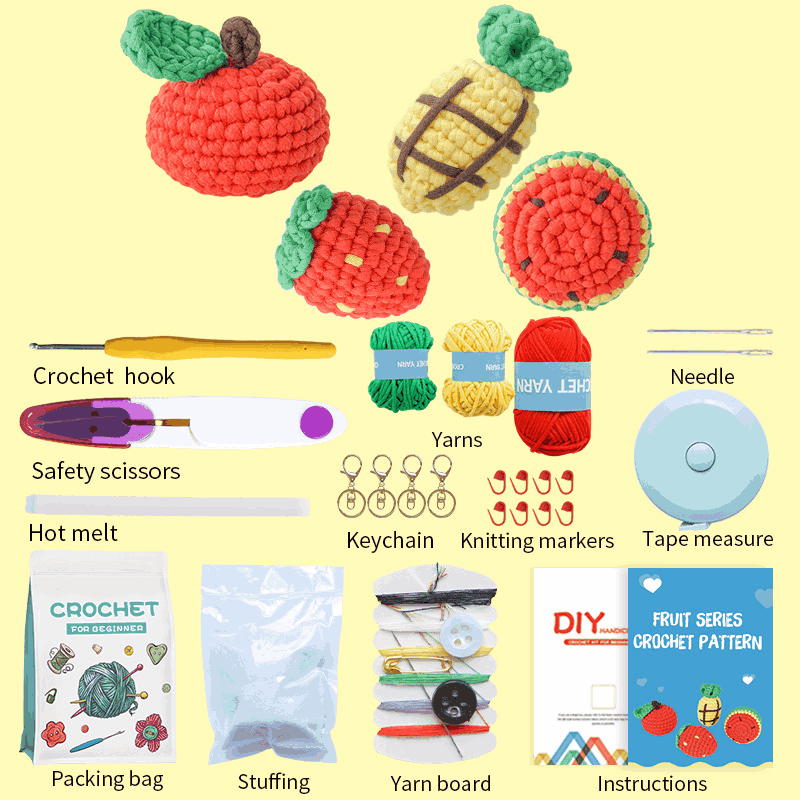
The trick is ruthless selection. Pack what matters; leave the rest.
Essentials (Non-Negotiable)
- One ergonomic hook (size depends on the yarn you choose).
- Two or three small skeins or mini balls of yarn (contrast colors help you learn).
- A tiny pair of folding scissors or thread snips.
- A darning/ tapestry needle for weaving ends.
These items fit inside a zip pouch and let you make a surprising range of micro-projects.
Smart Extras (Optional but Handy)
- A stitch marker or two (or hair pins work in a pinch).
- A tiny notebook or index card with practice abbreviations (sc, hdc, inc).
- A small square of felt and safety eyes if you plan to make toys.
- A collapsible project tray (for desk use) if you often stitch in public places.
Packaging & Safety
- Use a zippered pouch with compartments. Make an inner pocket for a needle sheath—safety first, especially around kids.
- Waterproof or wipeable interior helps when coffee happens.
A compact crochet kit that’s thoughtfully c urated beats an overloaded tote every time. Trust me: you’ll prefer a neat pouch over a yarn avalanche.
Designing Micro-Projects That Actually Finish
This is the design problem: how to get bang (satisfaction) for bite-sized chunks of time.
- Limit Scope. Aim for projects that take 20–90 minutes. Examples: coaster, keychain amigurumi head, mini succulent, earbud holder.
- Repeatable Stitches. Favor patterns with 1–3 stitch types—this keeps rhythm and reduces counting errors.
- ModularBuilds. Make pieces that can be combined later: two coasters become a tea set, many tiny animals form a mobile.
- Visible Progress. Choose projects where each round or row visibly changes the shape—progress is motivating.
When picking or designing patterns, annotate how many minutes typical steps will take. That makes it easier to grab a 15-minute win instead of a half-finished guilt project.
Where Micro-Projects Shine
- Commutes: A tiny coaster or a charm fits in a tote and occupies a commute without the eye-glaze of social media.
- Gifts: Mini amigurumi or coaster sets are perfect last-minute gifts—handmade but small enough to be practical.
- Events: Bring a few kit pouches to a party or meetup for an instant ice-breaker. Everyone loves trying a stitch.
- Mindfulness: Short, repetitive stitching is a low-effort ritual that signals “pause” to your brain—good before bed or after a long meeting.
Organizing Your Mobile Craft Life
- Label Your Pouches. One pouch per yarn weight or per color theme. Saves time and decision fatigue.
- Keep a “Practice” Hook and Yarn Set. When you want to warm up, you’ll do it instead of scrolling.
- Rotate Project Cards. Store short pattern cards in the pouch so you can pick a pattern by available time.
- Photo Log. Take a quick phone pic each time you finish a micro-piece—slowly you’ll build a portfolio without much effort.
These small habits make your crochet kits behave like tiny, disciplined studios. They help you turn intention into results.
Quick Micro-Project Ideas — Start Tonight
- Mini Succulent — Rosette
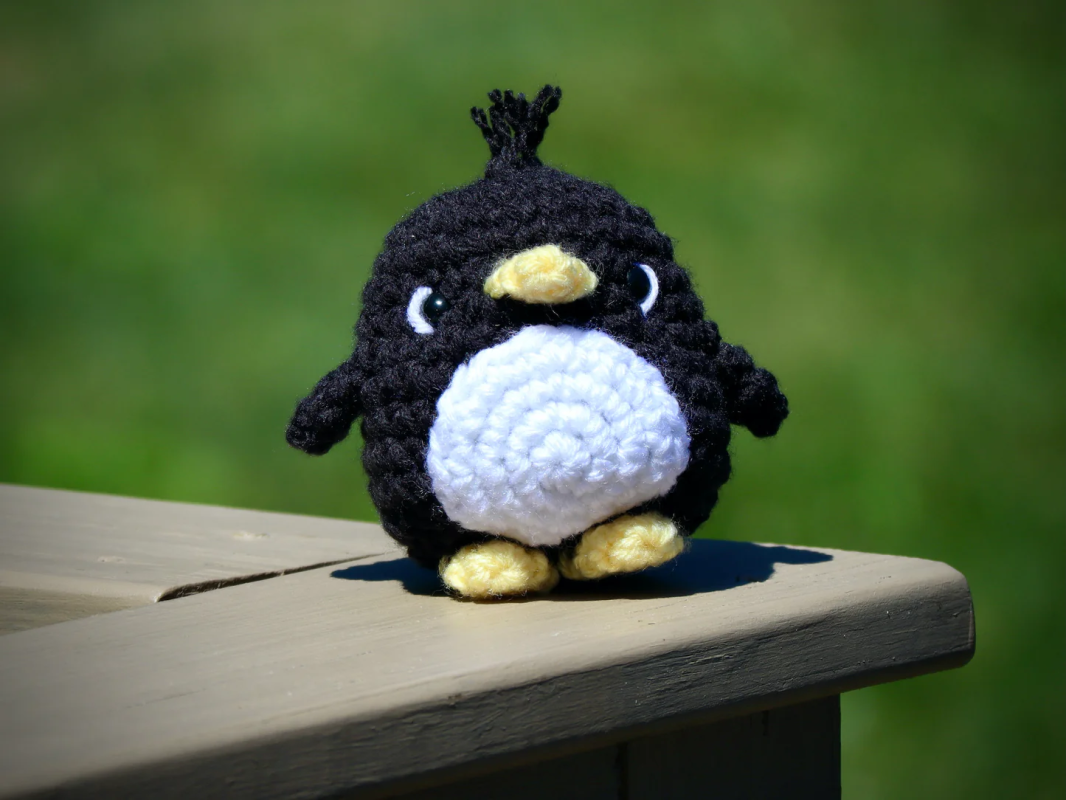
- Tiny Penguin Doll — Head + Body
- Cute Fruits Crochet — Many Types
All of the above can be made with one compact crochet kit and very little mental load.
Final Nudge
You don’t need to be “crafty” to carry a crochet kit. You just need curiosity and a desire to turn tiny pockets of time into something that feels like yours. Try stuffing a small kit into your bag this week. Make one coaster at a café. Gift it. See the smile it creates. That ripple—small, but real—starts somewhere.
Ready to start? Grab a simple crochet kit—a modest pouch, a good hook, a couple of yarns—and begin. The first stitch is always the smallest risk and the biggest surprise. [Get Your Crochet Kit Now and Start Your Creative Crafting Journey!]