
Cooking is a series of small rituals involving chopping, boiling, and plating, steps that often feel rushed. A crochet kit doesn’t replace the stove, but it can add a gentle, mindful layer to kitchen life. Think of tiny sensory breaks between tasks: a quick row of stitches while pasta simmers, a handmade coaster under your coffee cup, or a little vegetable amigurumi as a playful napkin weight at brunch. This article explores practical, realistic ways to integrate a crochet kit into everyday kitchen routines, why the practice suits busy people, and how to pick projects that improve both mood and table style.
Why a Crochet Kit Fits Kitchen Rhythms

The kitchen’s tempo is episodic—short bursts of activity followed by waiting. That waiting is prime time for a micro-project. A compact crochet kit maps neatly onto those gaps. It asks for short attention spans, returns fast satisfaction, and produces objects that belong right where you are: coasters, pot protectors, or tiny decorative fruits and veggies.
- It’s tactile and calming: the repetitive motion of a few stitches is a mental reset.
- It’s immediate: a small project often finishes within a single simmer cycle.
- It’s useful: the outcome can be practical—coasters protect your table, and little potholders add charm and function.
If you’re a beginner, this is a forgiving entry point. You learn fundamentals in context—while you’re already at home, doing other things.
Practical Project Ideas for Kitchen-Friendly Crochet
Here are kitchen-specific projects from a crochet kit that match real-life tasks and spaces. Each one is designed to finish quickly and be genuinely useful.
Coasters That Double as Color Anchors
A crochet kit for coasters gives you immediate impact. Use colors that match your tea set or season. Coasters are small, so they’re perfect for quick wins between cooking steps. The Potted Plant Coasters Crochet Kit is a clever choice: plant motifs feel natural in the kitchen, and they’re sized to protect mugs and glasses. Make a set in an afternoon; swap one or two with the seasons.
Little Veggies as Napkin Weights or Shelf Decor
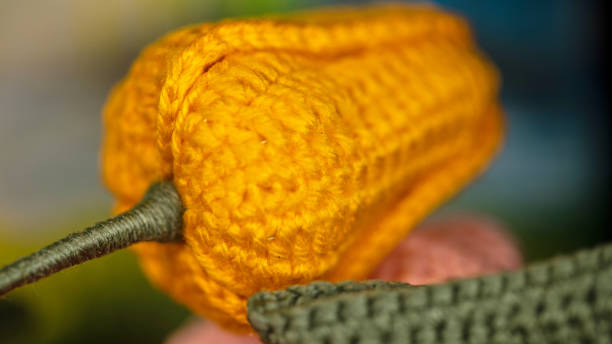
A Vegetable Crochet Kit makes charming, washable napkin weights—no more paper napkins taking flight at outdoor lunches. The tiny crochet vegetables also sit well on a windowsill, giving your kitchen a playful, handmade accent. They’re small enough for a single knitting session while something bakes.
Mini Pot Trivets and Mug Warmers
A slightly larger piece from a crochet kit (two or three joined coaster motifs) becomes a trivet. These are practical for counter protection, and they store flat. With a few stitches, you get a functional piece that looks intentional, not slapped together.
How to Schedule Stitch Breaks Without Slowing Dinner
You don’t need long stretches. Try these micro-routines:
- Preheat + chain: When you preheat the oven, do a ten-minute warm-up row from your crochet kit.
- Simmer set: While a sauce simmers (10–20 minutes), aim to finish one small component—an amigurumi head or the center of a coaster.
- Cooling minute: After pulling something from the oven, give yourself two minutes of tidy-up stitching before serving.
This keeps craft integrated, not intrusive.
Materials and Hygiene—What to Watch for When Mixing Yarn and Food
Kitchens are messy environments. A crochet kit used in the kitchen should follow a couple of commonsense rules.
- Keep yarn and utensils separate. Never let raw food contact your yarn or finished pieces. Use a clean surface for both.
- Choose washable fibers if you plan to use pieces near food. Cotton or washable acrylic from your crochet kit cleans easily and resists odors.
- Colorfastness matters. If your kit uses bright dyes, pre-wash a swatch to ensure colors won’t bleed when washed after accidental splashes.
- Storage hygiene. Store kits and finished items in a dry, dust-free box—not on the counter where crumbs gather.
A bit of attention keeps your handmade kitchen pieces both attractive and safe.
Teaching Kids the Kitchen With a Crochet Kit
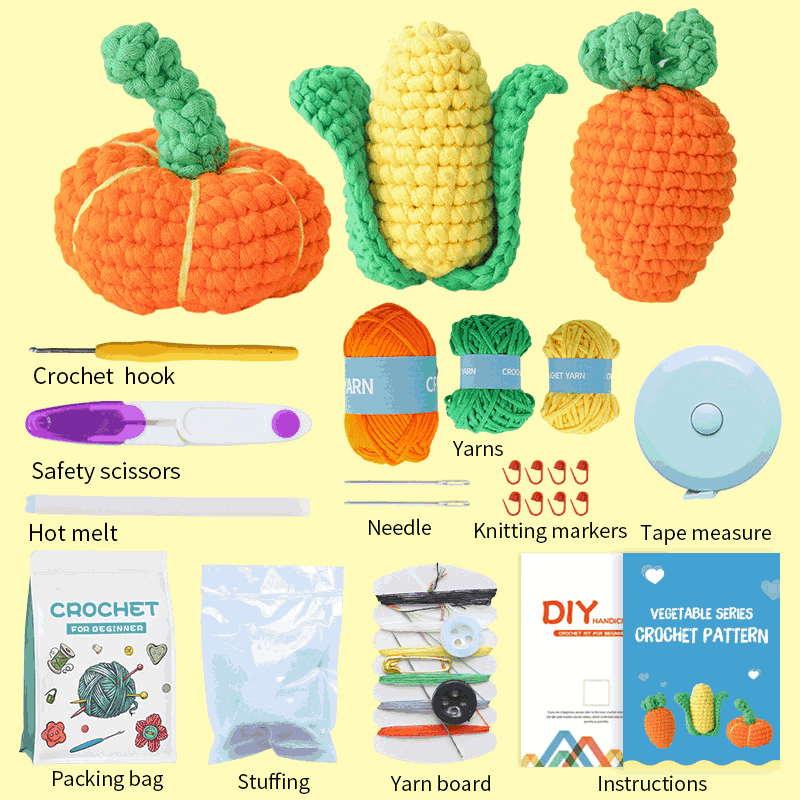
For families, a crochet kit that makes vegetable toys can be a playful teaching tool. Kids can use soft crochet veggies to set a toy table, practice sorting produce by color, or role-play shopping. The Vegetable Crochet Kit is ideal here because the finished pieces are small, washable, and easy to handle. Use the kit in tandem with real cooking: let a child match a crochet carrot to a real one on the cutting board (without touching—safety first). It’s a gentle way to normalize healthy foods and build familiarity.
Styling and Storage—Keep Your Kitchen Chic
Handmade items should look considered. A few styling tips:
- Display in groups. A trio of coaster motifs on a tray is cleaner than random scatter.
- Rotate seasonally. Swap colors or vegetable motifs to align with holidays or seasons—fresh look, small effort.
- Store flat. Keep finished coaster sets in a shallow box or drawer so they remain tidy and ready to use.
These simple practices make your crochet kit pieces read like decor rather than craft experiments.
Quick Troubleshooting for Kitchen Projects
Common problems and solutions when using a crochet kit near food preparation areas:
- Grease spots: spot-clean with mild soap immediately, then hand-wash the piece.
- Color bleeding: soak in cool water with a little salt to set dyes before first use.
- Loose stuffing: stitch the seam closed and re-stuff with a bit more filling. For toys, double-stitch seams near mouths or handles.
Small fixes preserve the utility and charm of your crochet work.
Final Recipes for Quick Success: A Mini-Plan
Try this two-week starter plan:
Week 1: Make two coasters from a Potted Plant Coasters Crochet Kit—use them every day.
Week 2: Make three vegetable napkin weights from a Vegetable Crochet Kit—use one at each meal this weekend.
Short, repeatable projects build confidence and instantly improve your kitchen’s look. Plus—they’re practical. You’ll find yourself reaching for a handmade coaster without thinking about it. Explore the complete crochet kit collection for your next project