Hand Fitness with Crochet Kits: Boost Dexterity & Brain Health

If “exercise” usually means burpees or treadmill time, hear me out: a crochet kit can be a surprisingly effective part of a gentle hand-fitness routine and a useful daily cognitive ritual. Not a miracle cure. Not a replacement for medical therapy when that’s needed. But a consistent, low-pressure practice with a compact crochet kit builds finger coordination, preserves fine motor control, and gives your brain the kind of structured, tactile focus that helps keep things sharp. Plus, it’s kind of cute. Win-win.
Why Tiny Hand Movements Matter
Hands are complicated: dozens of small muscles, tendons, and neural pathways working together. Using them in precise, repetitive ways maintains dexterity. That’s why musicians, surgeons, and artists practice. A crochet kit encourages similar micro-movements—pulling loops, controlling tension, and switching fingers rapidly. Over time, those patterns support steadier hands.
- Short, repeated motions strengthen the small stabilizing muscles in the fingers and wrist.
- Controlling yarn tension trains proprioception—your sense of where your fingers are without looking.
- Working with small shapes forces finger independence: one finger holds, another pulls, and a third adjusts.
You don’t need long sessions. Fifteen minutes a day with a crochet kit can be meaningful. It’s accessible for beginner makers and adaptable for different ability levels.
Cognitive Perks You Didn’t Expect
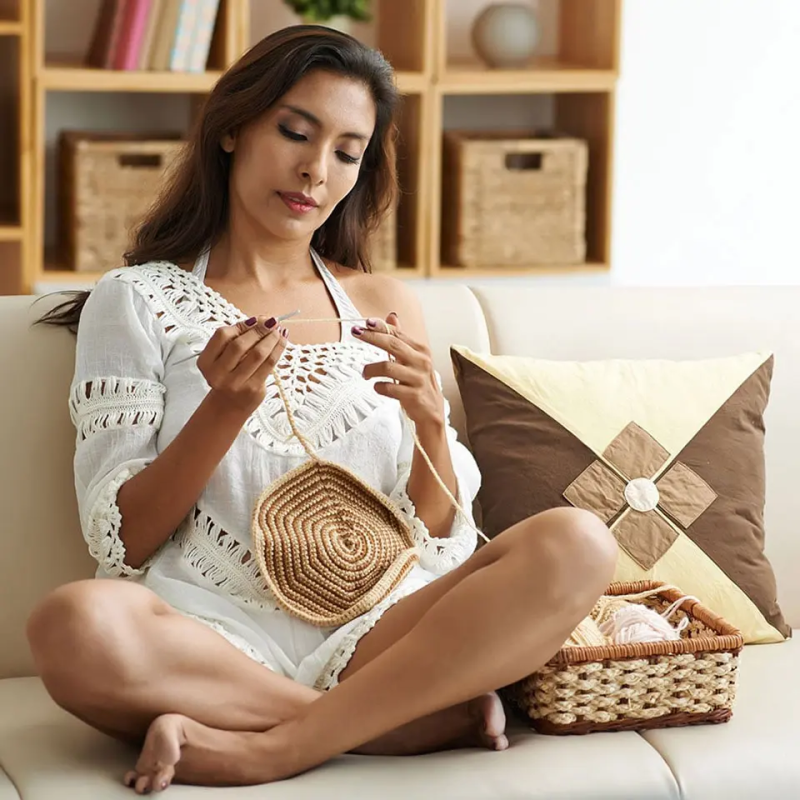
There’s more than muscle in play. A crochet kit offers a cognitive workout too.
- Pattern-following exercises work memory.
- Counting rounds and tracking increases trains attention.
- Repetitive stitch sequences produce a calming rhythm that makes room for problem-solving—your prefrontal cortex gets a micro-break but stays engaged enough to bounce back to tasks.
- Small social rituals around making—showing a tiny animal or succulent to a friend—boost mood and social cognition.
So yes, your hands move, but your brain benefits too. Not dramatic overnight, but cumulative. Think of it like daily stretching for the mind and fingers.
How to Design a Safe, Effective Practice with a Crochet Kit
If you want to use a crochet kit as part of a hand-fitness routine, structure matters. Here’s a practical, low-pressure plan.
Start Small, Ramp Slowly
Begin with 10–15 minutes per day. Use a crochet kit that calls for simple stitches—single crochet, chains, and slip stitches. Those motions teach control without frustration. Stop if you feel pain—this is gentle exercise, not a grit test.
Mix Warm-ups and Focus Sets
Warm-up: 3–4 minutes of gentle finger stretches and rolling the wrist.
Focus set: 10–12 minutes of steady stitching from your crochet kit—try a round to practice tension control.
Cool-down: weave in ends slowly, breathe, and close with a small hand stretch.
Track Progress with Tiny Goals
Choose micro-projects from your crochet kit that finish in one or two sessions—like a tiny succulent, a single animal head, or a colorful coaster square. Finish = feedback. That visible reward keeps the routine going.
Picking the Right Crochet Kit
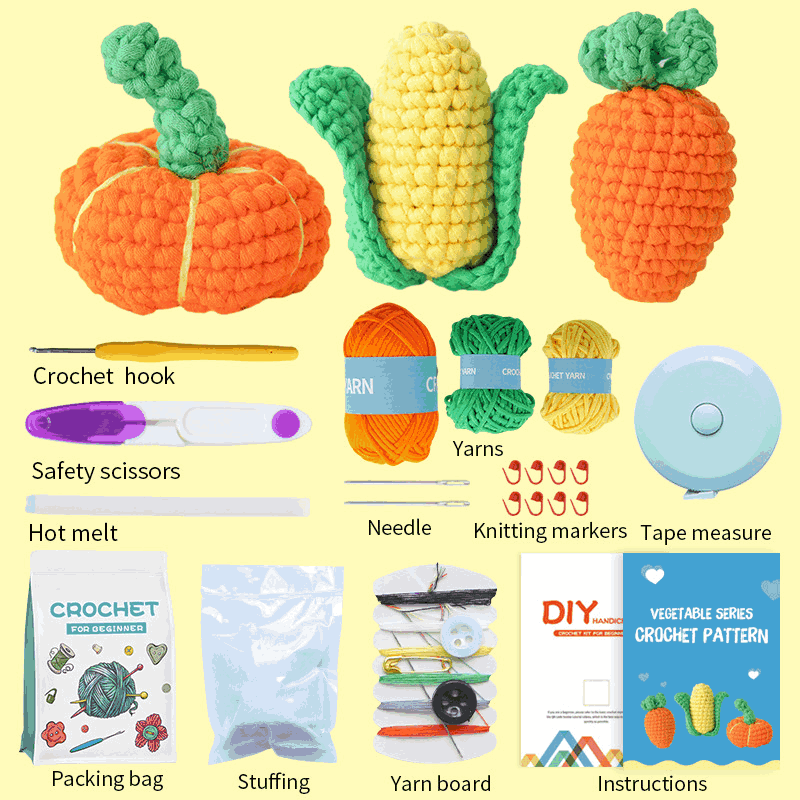
Not all kits are equal for hand-fitness purposes. Look for a crochet kit with these traits:
- Ergonomic hook: thicker grip reduces strain.
- Clear patterns: easy-to-follow instructions reduce cognitive load.
- Small projects: items that complete quickly are encouraging.
- Soft, manageable yarn: softer fibers are easier on the fingers when practicing tension.
As examples, consider the Succulent Plants Crochet Kit for soft, tactile rosettes; the Vegetable Crochet Kit for small, shape-focused practice; or the Six-Color Coasters Crochet Kit to work color and tension in flat rounds. Each offers different movement challenges—pick one to start and rotate.
Adapting Practice for Different Needs
People vary. Age, arthritis, and recovery from injury—these affect what’s safe and useful. A few adaptation ideas:
- Arthritis-friendly: use a larger hook and thicker yarn from your crochet kit to reduce pinch force. Keep sessions brief and prioritized for comfort.
- Post-injury: follow your clinician’s guidance. You might use a crochet kit for gentle coordination work only once cleared.
- Energy-limited days: do 5–7 minutes of very simple chain stitches; you still get some neurological benefit without fatigue.
Always prioritize comfort and stop if something hurts. If you’re working on rehab goals, check with a therapist about whether your crochet kit practice fits the plan.
Making It Social—Group Sessions with Purpose
A casual stitch circle with a focus—“ten minutes of steady rounds”—can be a gentle accountability tool. Invite friends or neighbors to bring a crochet kit, set a timer, and stitch together. You’ll get practice time, company, and the small joy of swapping tips. For adults who want social contact without intense demands, this is ideal.
Small Wins, Big Habit: A 30-Day Micro-Practice Challenge
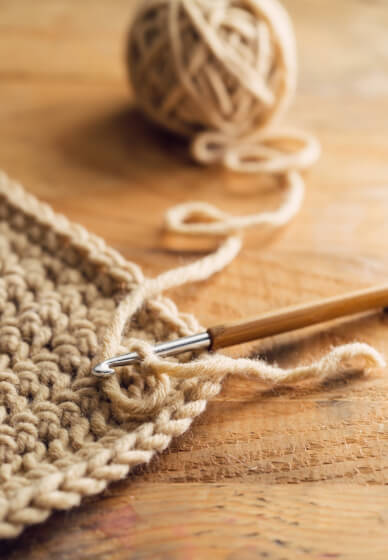
Try this: pick one micro-project from a single crochet kit. Do 10–15 minutes a day for 30 days. Keep a simple log: time spent, what felt easier, and any discomfort. At the end, you’ll likely notice steadier fingers, a clearer stitch rhythm, and a finished object that celebrates discipline.
It’s not flashy. But slow, repeated making accumulates into real skill and quiet confidence.
Final Caveats and Encouragement
Let’s be clear: a crochet kit is helpful for everyday dexterity and cognitive engagement, but it’s not a medical treatment. If you have significant hand pain, nerve issues, or a recent injury, consult a healthcare professional first. Use the kit as a complement to, not a substitute for, professional care.
That said—if you’re looking for a gentle, practical routine that combines small-movement exercise, mental focus, and the satisfaction of finishing something cute, a crochet kit is a remarkably pleasant tool. Pick a starter project, set a tiny daily window, and stitch a little for your hands and your head. You may be surprised how much those small loops add up.
Explore endless patterns and creativity with a premium crochet kit collection.