From Yarn to Finished Piece: Decoding Every Material in Your Crochet Kit

Getting a crochet kit is exciting — you open the box, see the threads, hooks, stuffing, and your brain immediately dreams up a cute penguin or a tiny potted plant. But not all yarns, needles, or fillings behave the same. This guide explains the materials in a typical crochet kit and how they change the final look and feel of your project, so beginners and more experienced makers know what to expect.
Common Yarn Types and How They Feel (Cotton, Acrylic, Blends)
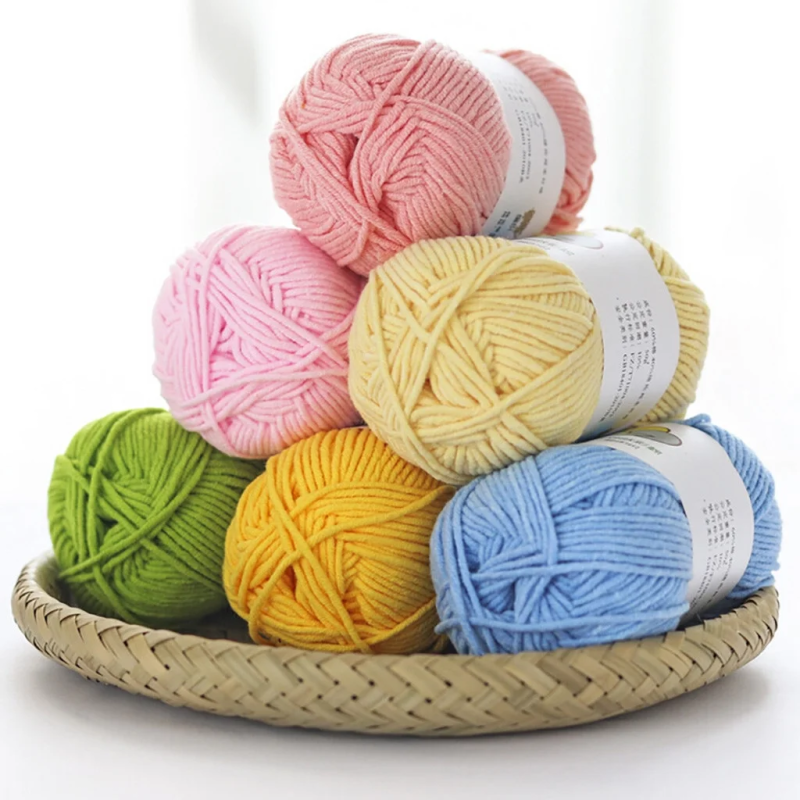
Yarn choice shapes texture, drape, and durability. Here’s the short version:
- Cotton: crisp stitch definition, low stretch, pleasant weight. Perfect for coasters, small toys, and projects where you want clean loops and visible stitches. Cotton feels cool to the touch and holds shape well — excellent for plant-themed decor shapes. Downsides? It can be less forgiving for beginners because tension shows more clearly.
- Acrylic: lightweight, affordable, and forgiving. Colors pop, and it’s easy to wash. Great if you want a soft, cuddly animal or a quick DIY gift for kids. Acrylic doesn’t love high heat, though — avoid steaming it too hot.
- Blends (cotton/acrylic, wool blends, etc.): these give you the best of both worlds — some structure with a touch of bounce. Many starter crochet kits use blends because they make the learning curve gentler.
Short note: texture matters. A fuzzy yarn hides simple mistakes; a smooth yarn shows every loop. Choose according to the project and the person (is it for children? for display?).
Hook Size, Tension, and Why Gauge Matters
You’ll see a recommended hook size in the crochet kit instructions. That number is a suggestion — but it’s not arbitrary. Hook size controls the size of loops, which affects how tight or loose your fabric becomes.
- Small hook + thick yarn → tight fabric, dense stuffing effect, less flexible. Good for firm animal toys.
- Large hook + fine yarn → open fabric, drapey items, or loose stitches that show stuffing. Not ideal for stuffed toys meant to last.
“Gauge” is the word you’ll hear a lot. It’s simply a way to measure whether your stitches match the pattern’s intended size. For beginners, don’t skip a quick swatch. A 4×4 inch (or 10×10 cm) swatch saves heartbreak later: sleeves that don’t fit, tiny penguins that turned into giants, etc.
Pro tip: if you want a firmer look — say a small penguin or a compact succulent pot — go down a hook size or choose a yarn with less drape.
Stuffing and Safety (Especially for Toys)
Stuffing makes your piece three-dimensional, but choices matter:
- Polyester fiberfill: the most common stuffing. Lightweight, washable, and fluffy. It helps animal and penguin toys keep a rounded shape.
- Eco-friendly stuffing: some kits use recycled fibers or plant-based fills. They’re a bit firmer, sometimes pricier, but better for conscious shoppers.
- Safety considerations: if the finished toy is for children or very young kids, avoid small plastic parts like loose eyes or beads. Either embroider faces or use securely attached safety eyes rated for toys. Check that seams are tight; stuffing should never be able to escape through gaps.
If your crochet kit is labeled for adults making décor, you can be bolder with mixed materials. If it’s for kids, prioritize durability and washability.
The Little Extras That Make a Big Difference
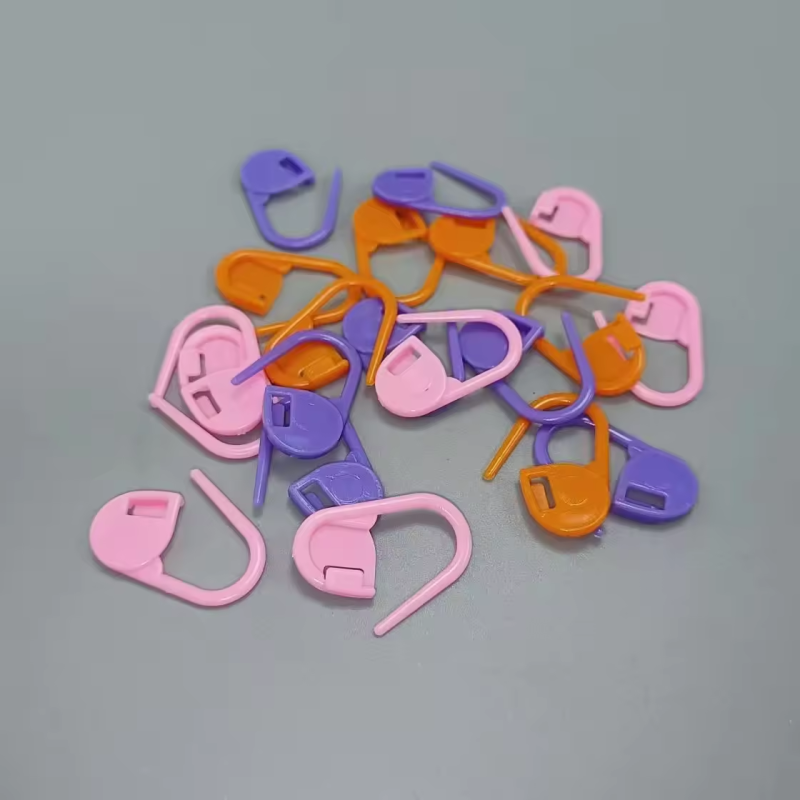
Those small tools in the box — a yarn needle, stitch markers, maybe extra threads — are not throwaways.
- A blunt yarn needle speeds up neat sewing and hides threads cleanly.
- Stitch markers keep track of rounds and prevent counting horrors.
- Extra threads can be for small surface embroidery — smiling faces, little leaf veins on plant projects.
And yes, learning to weave in ends neatly is a tiny craft skill that makes even simple projects look “best” and finished.
Choosing the Right Crochet Kit for Your Goal
Not all kits are created equal. If you want a quick, beginner-friendly project, look for a crochet kit marketed to beginners or starter crafters — they usually include clearer instructions, labeled parts, and forgiving yarn choices. Want to practice texture and color? Pick some Coasters Gift. Aiming to make cute toys? Pick an animal or penguin kit with safety notes.
Recommended picks that match common goals:
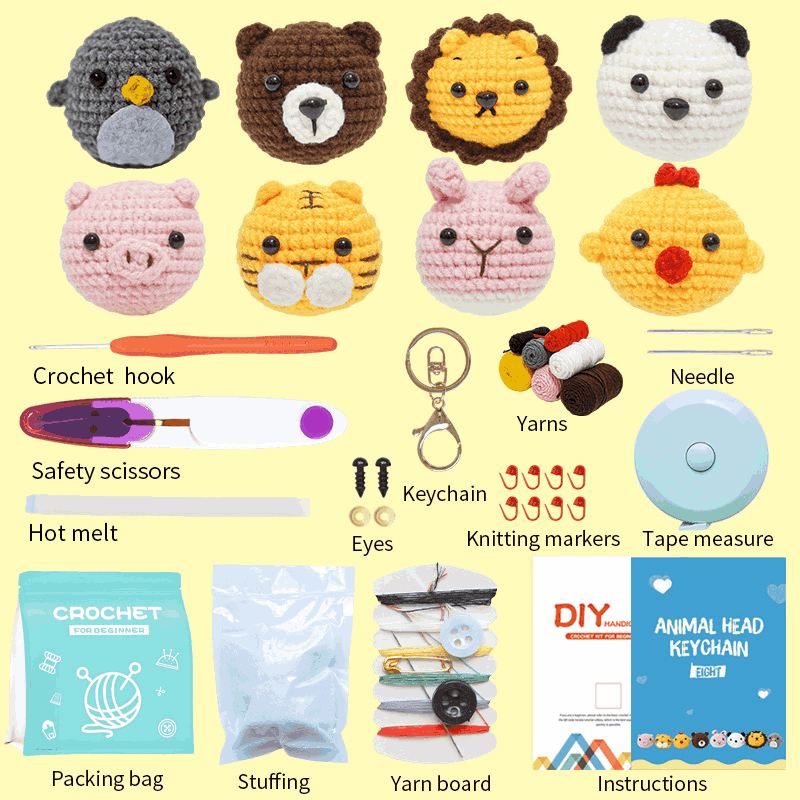
- Animal Crochet Kit — great for learning shaping and stitching for toys.
- Penguin Crochet Kit — compact, adorable, and excellent practice for stuffing & finishing.
- Succulent Plants Crochet Kit — no stuffing needed; perfect for neat stitches and display pieces.
Quick Wrap-Up: What to Remember Before You Start
- Yarn = personality of the piece. Choose cotton for crispness, acrylic for softness, blends for balance.
- Hook size = final shape. Check gauge.
- Stuffing and safety = think about who will touch the toy.
- Small tools = big polish. Don’t skimp.
Want to learn faster? Start with a small crochet kit and one simple project. Making something cute — a tiny penguin, a little succulent, a colorful coaster — gives you wins early and keeps motivation high.
Immediately grab your preferred crochet kit and start your DIY journey — whether you’re a beginner or a curious maker, there’s a cute project waiting for you. crochet kit away, and have fun!