Crochet Color Changes Made Easy: Keep Your Pattern Clean and Chic

Want to swap a color in a favorite pattern but worry you’ll ruin the look? Totally understandable. Whether you’re working from a crochet kit or tinkering with leftover threads, changing colors can either elevate a design—or make it look accidental. This guide helps beginners and more experienced makers learn how to replace colors gracefully, keeping the pattern’s balance while letting your personality shine. Think small risks, big rewards.
Why You’d Even Change Color
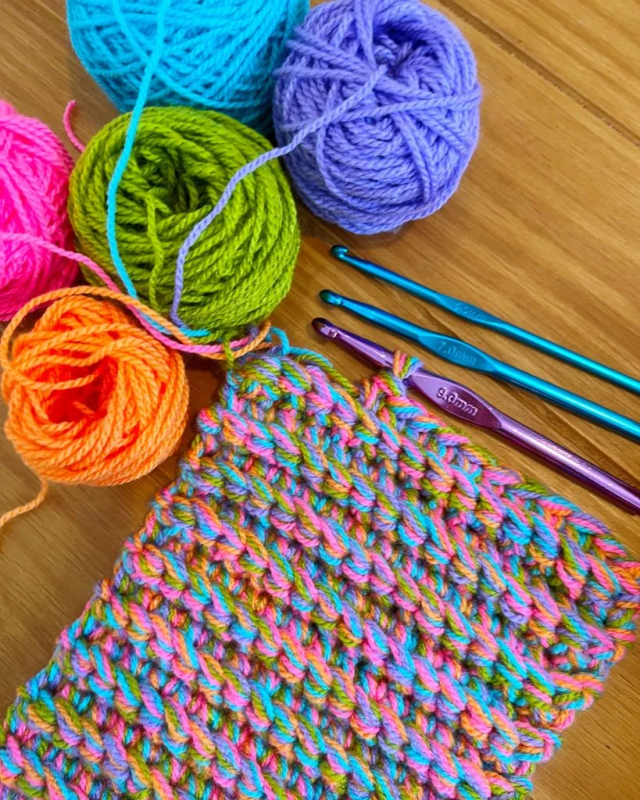
- Personalization. A different palette makes a project uniquely yours—perfect for gifting or matching a room.
- Material reality. Ran out of a shade? No shame—creative swaps save projects.
- Styling reasons. Maybe a soft pastel reads better than the original bold color for a nursery or kids’ room.
If the piece is primarily about shape amigurumi animals, keep the face and key shapes close to the original colors. But for accessories like coasters or scarves, color experiments are practically encouraged.
Core Principles for Safe Color Swaps
- Respect the focal point. Keep the main subject’s color (face, flower center) stable.
- Limit your palette. Aim for 2–3 colors plus an accent. Too many colors = visual noise.
- Contrast vs. harmony. Check whether the pattern needs contrast (to show texture or loops) or harmony (soft, blended look).
- Scale matters. In tiny amigurumi pieces, busy colors can read muddled. For larger pieces like blankets or coasters, more complex palettes work.
Practical Testing: Sample Swatches, Color Cards, and Photos
- Make a 10–20 row mini swatch before committing. It feels boring, but trust me—worth it.
- Lay yarns side-by-side in natural light, take a photo, and zoom out—your eyes lie up close.
- Use the Six-color Coasters crochet kit as a playground: it’s literally designed for color play, so you can test combinations without wasting expensive skeins. Also great: the Fruits crochet kit—its small shapes make color swaps low-risk but high-impact.
I once swapped a lime green for teal on a strawberry pattern—surprisingly chic. Keep experimenting.
Core Principles for Safe Color Swaps
Gradual Transitions (Best for Gradients)
Instead of flipping color mid-row, work a few rows of the new color and, if possible, blend by alternating a row of old + new. It’s slower but gentler on the eye.
Bar Joins and Discreet Seams
When two large color blocks meet, use a tidy seam or join to define the boundary. That edge becomes a design element rather than a mistake.
Double-Strand Blending
Hold two strands together—one of each color—for 4–8 rows. This creates a mixed, tweedy effect that hides abrupt changes and reads like an intentional texture.
Strategic Accents
If replacing a major color is scary, swap just a small feature—an ear, a leaf, a coaster border. Little bright accents punch above their weight.
Practical Swap Patterns by Project Type
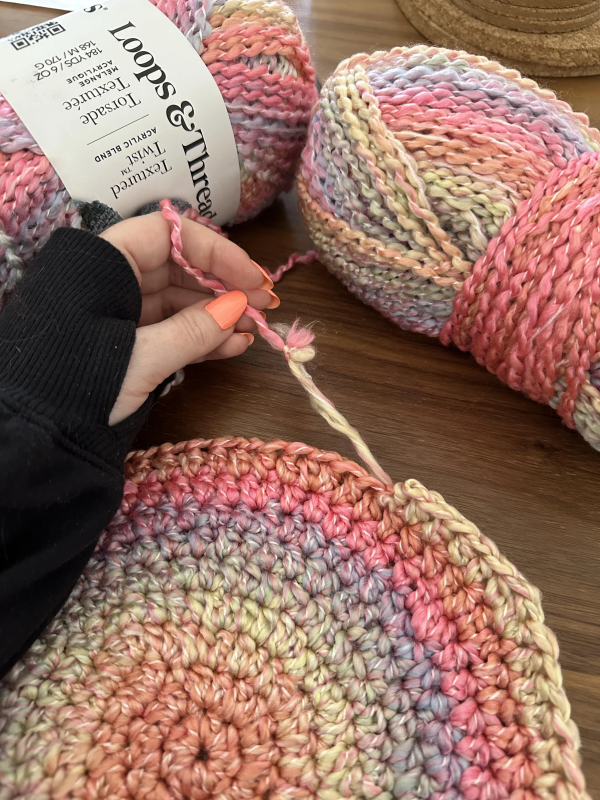
- Amigurumi & Animals: Keep face and main body neutral; experiment with hats, scarves, or tiny accessories. Recommended: Animal-themed kits are forgiving for accent swaps.
- Coasters & Small Homewares: Go wild. Coasters are cheap practice pieces—use the Six-color kit to test stripes, spirals, and blocks.
- Plants & Succulents (Fake): Subtle tone shifts read as realistic; avoid neon unless it’s a conscious pop-art move. The Fruits and plant-style kits are fun to tweak here.
Common Pitfalls and How to Fix Them
- Too many colors: Reduce by removing one hue, or unify with a neutral border.
- Mismatched value (too dark vs too light): Test your color choices in silhouette—if the foreground blends into the background, adjust the value.
- Loose ends & sloppy joins: Always weave ends securely and trim tidy. A tidy finish sells even an experimental palette.
Small Design Tricks to Make a Swap Feel Intentional
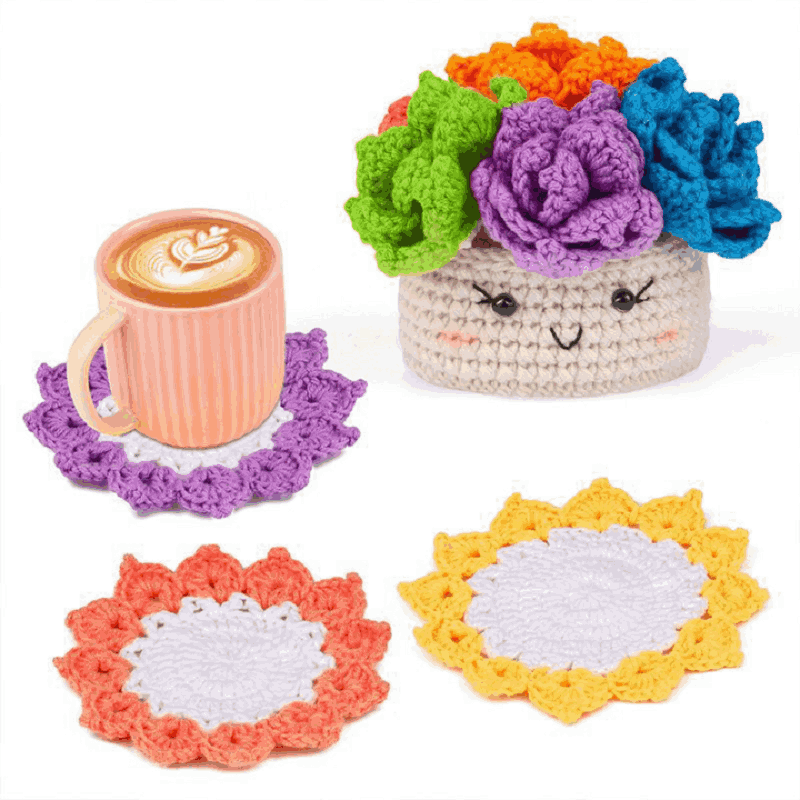
- Repeat the swapped color in two other small places—your brain reads repetition as deliberate.
- Add a tiny embroidered detail (stitch a freckle, a seed, or a button) that ties the palette together.
- Use texture to reinforce color changes: a ribbed band or popcorn stitch can separate color zones pleasingly.
Final Notes: Practice, Patience, and a Pinch of Bravery
Color swaps are design exercises. You’ll mess up sometimes. Great—learn and salvage. Frequently, a “mistake” becomes the best part of the piece. If you want a safe testing ground, the Six-color Coasters crochet kit and the Fruits crochet kit are both excellent starter-friendly options for beginners to learn how color behaves in small, forgiving projects.
Want to try right now? Make a tiny swatch. Swap one color. See what happens. It’s faster than you think—and more fun.
Get your crochet kit now and start your creative crafting journey!