Mindfulness Through Crochet: Using Handcrafts for Mental Clarity
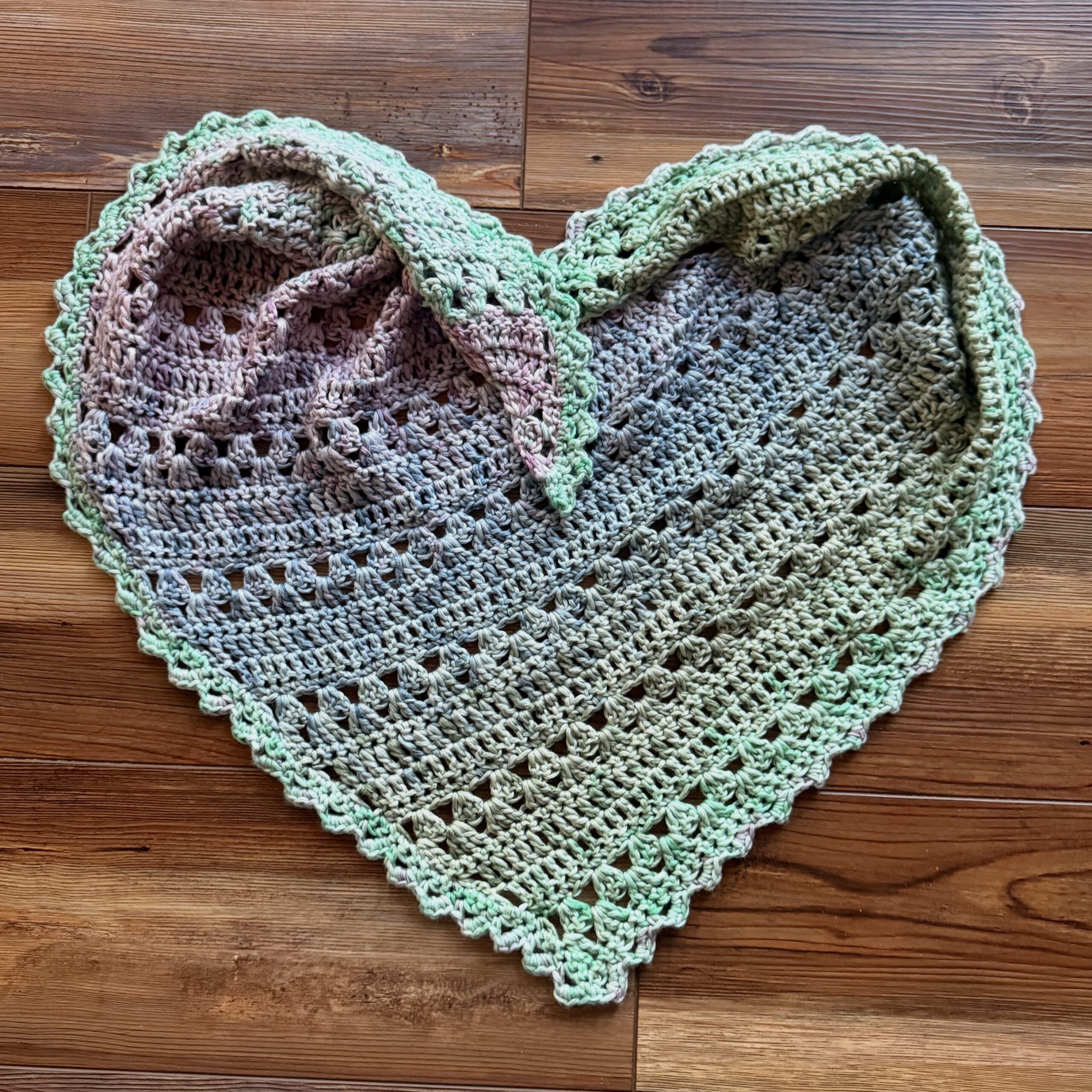
We live fast. Notifications ping, schedules collide, and quiet moments feel rare. If you want a small, practical way to pull yourself back into the present, try picking up a crochet kit. It’s simple: a hook, some threads, a pattern—and suddenly you have a tiny manual practice that asks only for your attention. This article looks at why crochet kits work like a mindfulness practice, how they help with anxiety and depression, and how even complete beginners can start a calm, creative habit.
The Flow State: Getting Lost in Stitches
Ever notice how one repetitive task can hush your brain? That’s the flow state—when time blurs and the mind narrows to one activity. Crochet naturally leads there. You make a loop, pull a thread through, repeat. The motion is rhythmic, predictable, oddly soothing.
- Hands Moving, Mind Quieting. That sentence can be literal. When the hands are busy and the mind follows, worry has fewer places to hide.
- Small Wins Matter. Every finished row, every tidy coaster or cute amigurumi face is proof you made something real. That feeling—yes, it helps mood.
- Flow Isn’t Perfection. You might miss a stitch, knit one wrong, rip back—human stuff. That little friction actually makes the experience feel more genuine, not robotic.
If you’re using a beginner-friendly crochet kit, the pattern guides you back when you stray. No intense focus required—just steady attention. It’s like a walking meditation, but you stay indoors and end up with something cute.
Crochet vs. Meditation: Similar Goals, Different Routes
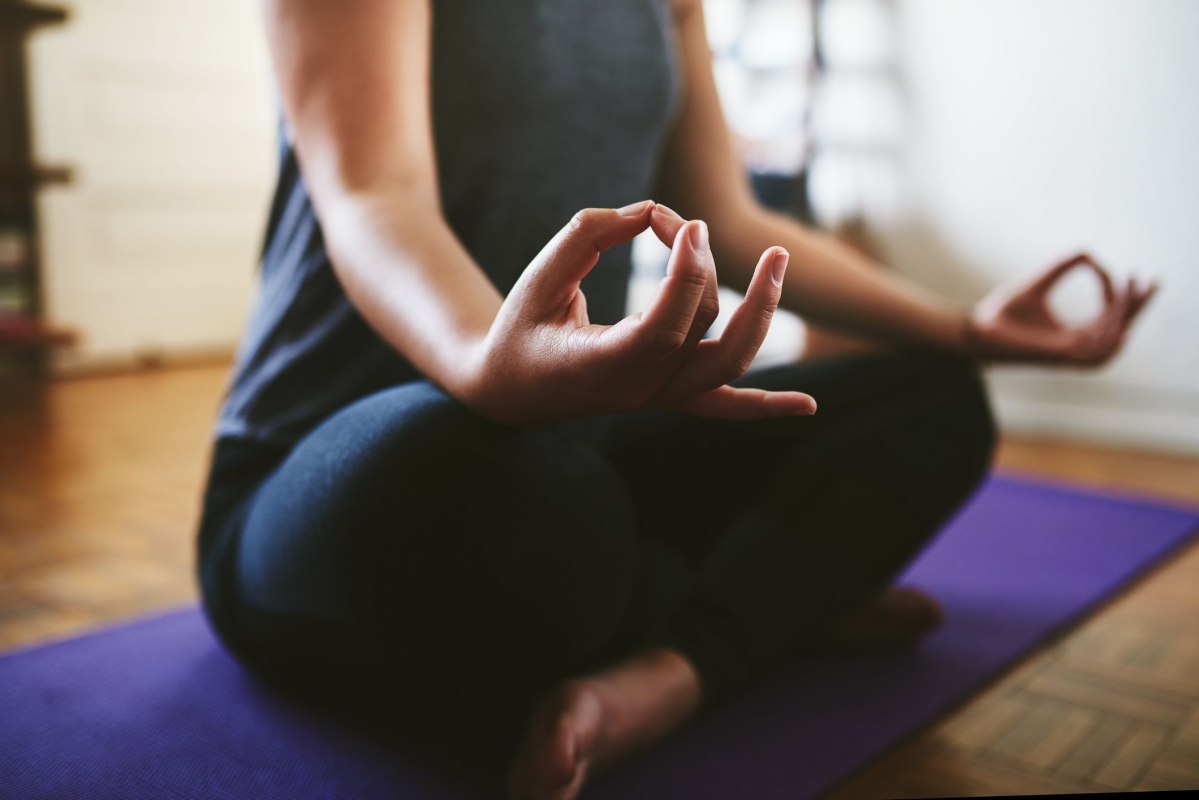
People often compare crochet to sitting meditation. They’re not identical, but they share key mechanics:
- Focused Attention. Meditators focus on breath; crocheters focus on stitch. Both redirect stray thoughts to a single point.
- Repetition. Repetition quiets noise. Chains, single crochets, repeating rounds—the physical repetition works like a mantra.
- Body-Mind Sync. The rhythm of your fingers calms your nervous system. You feel calmer, often in minutes.
One thing to note: crochet has sensory feedback that many meditation practices don’t. You feel the yarn, see the color, and the piece grows under your hands. That tangible progress matters—especially for people who struggle with sits that feel “empty.” For adults who want a practical route to mindfulness, a diy project that rewards effort can be more sustainable than an abstract practice.
How Crochet Helps with Anxiety and Depression
There’s no magic cure—if you’re struggling seriously, seek a professional. Still, many people and studies show that crafting can reduce symptoms and offer real coping tools. Here’s how crochet helps, in plain terms:
- Distraction + Structure. Crochet gives your mind a structured task that pulls it out of rumination loops. You can’t spiral if you’re counting stitches.
- Accomplishment. Completing a small project—say, a coaster set or a tiny plant amigurumi—gives a mood lift. That small dose of pride stacks up.
- Rhythm Lowers Stress. Repetitive manual tasks reduce cortisol spikes for many people. It’s why knitting circles and craft nights feel restful.
- Social Connection. Online communities, classes, or craft groups transform a solo activity into connection—great for loneliness, which often co-occurs with depression. Plus, you can trade patterns or brag about a penguin you made.
Practical Tips to Make Crochet a Mindful Habit
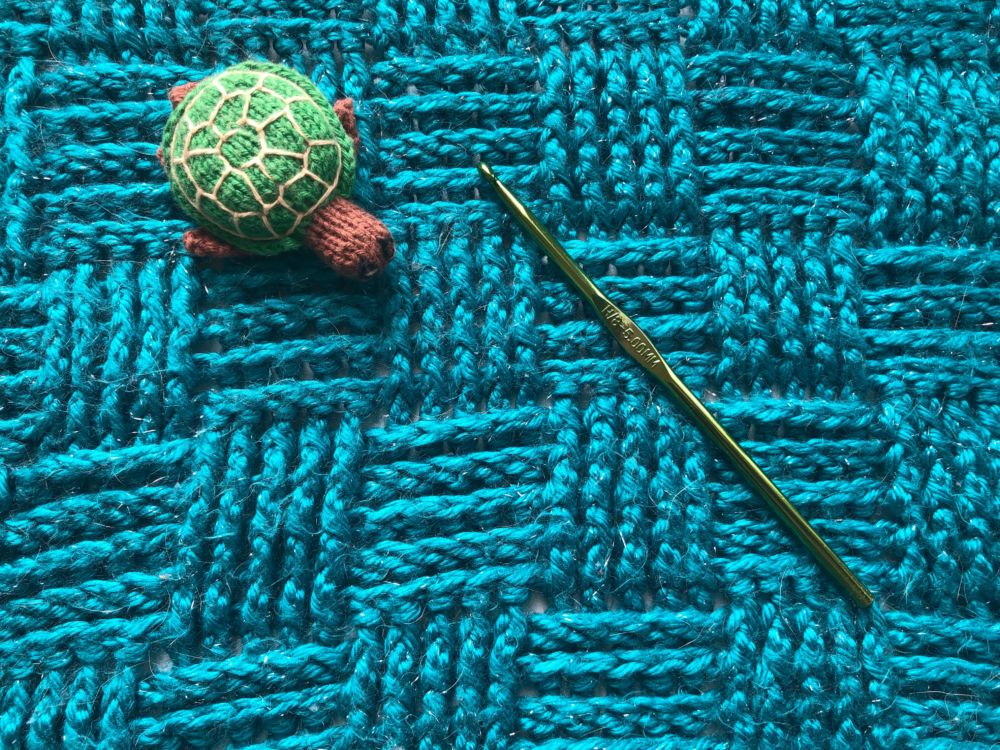
Okay, want to try? Here are pragmatic tips I’d give a friend:
- Start Tiny. A single coaster or small fruit amigurumi takes little time and gives quick satisfaction.
- Set a No-Pressure Window. Ten to twenty minutes a day is plenty to begin. No need to “finish”—just show up.
- Create a Ritual. Put on a favorite playlist, brew tea, or sit by a window. The ritual cues your brain that it’s time to slow down.
- Choose a Pleasant Crochet Kit. Bright yarn, an appealing pattern (maybe a cute animal), and a good hook make the work enjoyable. If you’re buying, look for “starter” or “beginner” in the listing.
- Count with Care. Counting stitches is meditative, but if counting becomes anxiety-provoking, ditch it and feel the motion instead. No counting policing allowed.
- Share small wins. Post a photo, tag a friend—social praise is a legit mood booster.
Find Calm in Every Stitch
You will miss days. You will triple-rip the same row. That’s fine. The point isn’t a perfect streak; it’s showing up when you can and noticing the small change: less background chatter, a calmer breath, maybe a completed animal you didn’t expect to love.
For parents, a starter crochet kit can be a calm “me time” between chores. For teens, it’s a screen-free creative outlet. For anyone, it’s a pocket-sized mindfulness practice that also makes thoughtful, handmade gifts (hello, Christmas).
Conclusion
Crochet isn’t therapy—yet it’s a quietly powerful tool. It blends motion, creativity, and accomplishment in a way that helps many people find mental clarity. If you want a low-cost, low-barrier route into mindful practice, try a crochet kit. Pick something diy, small, and friendly to beginners; you’ll probably finish faster than you expect and feel calmer than you thought.
Ready to find peace in every stitch? Start Your Mindfulness Crochet Journey Today.