
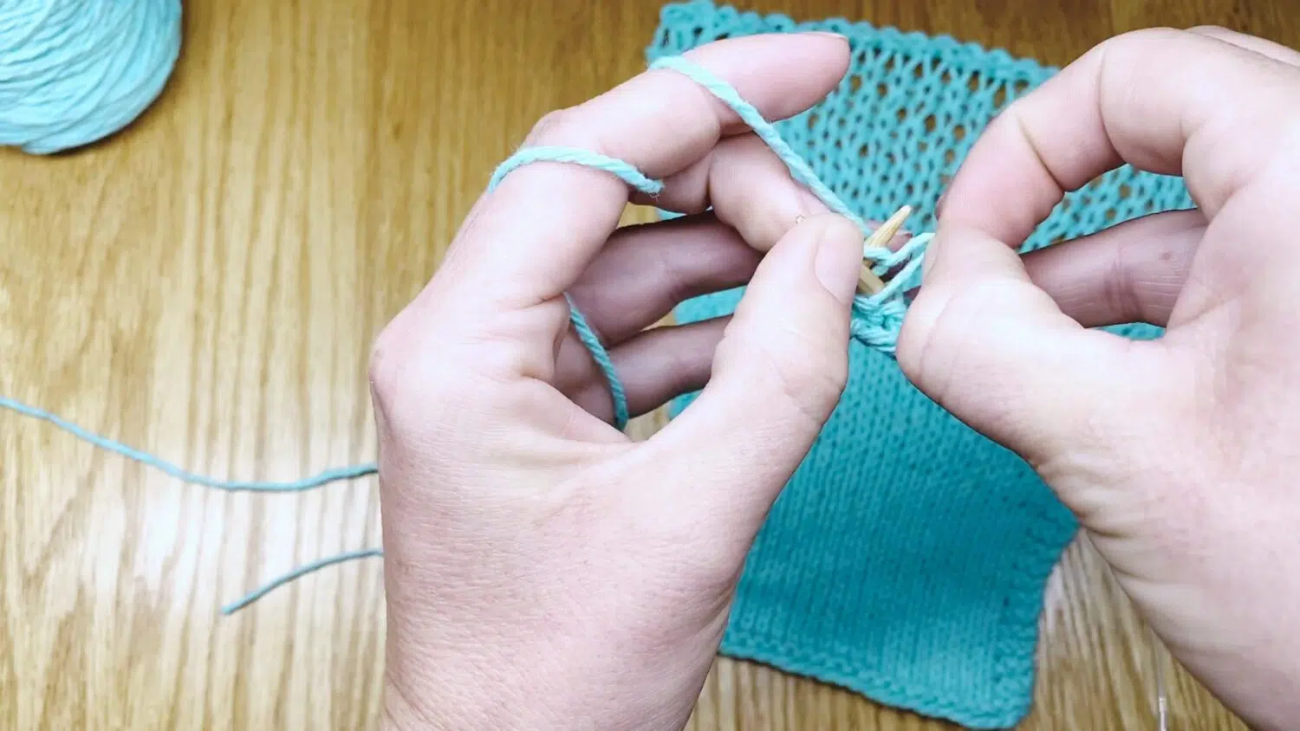
If your crochet project turns out too big, too small, or just oddly shaped, the issue usually isn’t the pattern — it’s the gauge. Gauge refers to how many stitches and rows you get within a certain measurement, and it can make or break your finished piece. Whether you’re using a crochet kit as a total beginner or leveling up your skills as an adult hobbyist, mastering gauge will save you frustration. This guide shows you how to swatch, adjust, and fix common mistakes so your work looks the way it’s supposed to.
How to Crochet a Swatch and Measure Gauge
A swatch is basically a practice square — boring, maybe, but the ultimate insurance policy.
- Follow the kit instructions. Use the yarn and needle size your crochet kit suggests. If the kit says “20 stitches and 24 rows = 4 inches,” that’s the target.
- Crochet at least a 4–5 inch patch. Work the same stitch type the pattern calls for. If you’re making an animal amigurumi, use single crochet. If you’re making coasters or a blanket, use whatever stitch is standard for that piece.
- Measure in the middle. Lay it flat, don’t stretch it. Count the loops (stitches) across and the rows or rounds up and down in a 4-inch square.
- Compare with the pattern. If you’re over or under the number, you’ll need to adjust.
The Six-color Coasters Crochet Kit is an easy way to practice swatches. Small, colorful, and fast — perfect for testing gauge without committing hours.
Adjusting Gauge: Hook vs. Yarn
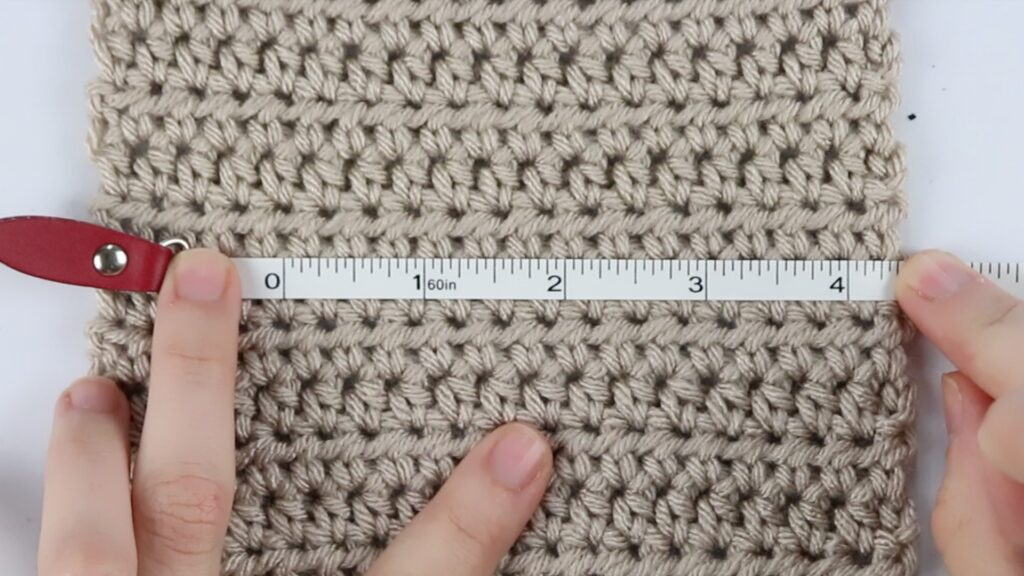
You only really have two levers to pull: hook size and yarn.
Change the Hook
- Too loose? Too few stitches per 4 inches? Switch to a smaller hook.
- Too tight? Too many stitches? Go up a hook size.
Change the Yarn
Yarn labels lie — or at least, they vary. Two “worsted” skeins can behave very differently. If your threads feel slippery and your stitches spread out, try a springier yarn. If your fabric is stiff, swap in something smoother. Always re-swatch when you change yarn.
And don’t forget the human factor: your hand tension. Some beginners pull tight, others barely hold the yarn. Be consistent, and your projects will be, too.
Common Gauge Mistakes — How to Fix Them
- Skipping the swatch. Everyone’s guilty once. Don’t repeat it.
- Measuring edges. Edge stitches are usually loose. Measure inside the swatch.
- Counting stitches but ignoring rows. Both matter — otherwise your project will stretch or shrink.
- Switching hooks mid-project. Even different brands of the same size can alter gauge. Stick with one.
- Blindly trusting the kit’s hook size. It’s a guideline, not a rule. Always check with your own swatch.
If you’ve already started and realize your gauge is off, you don’t have to frog the whole thing. For toys, adjust stuffing. For home pieces, add a border or trim. For wearables, add or subtract a few stitches as you go.
Quick Checklist Before Starting a Crochet Kit
- Make a swatch.
- Measure both stitches and rows.
- Record your hook brand/size.
- Test an alternate yarn if needed.
- Keep a practice project handy — Fruit, Cute Veggies, or Coaster Kits.
Why Beginners Improve Faster with Gauge
Here’s the truth: starters who swatch consistently finish projects that actually look like the photo. They learn faster, get more confident, and move from simple diy kits to bigger pieces. Once you get this habit down, your “misshapen” days are over — and your Christmas gifts, from plush strawberries to amigurumi penguins, will look intentional instead of improvised.
A Girl’s Practice
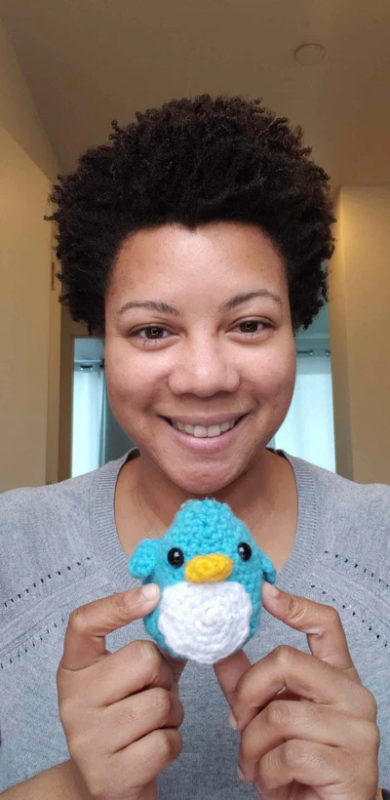
Sasha, a total beginner, bought a starter crochet kit to make a penguin. Her penguin’s head came out massive. She checked gauge: 18 stitches in 4 inches instead of 20. She switched to a smaller hook, re-made the head, and voilà — perfect penguin. One small adjustment, huge difference.
[The same penguin crochet kit as Sasha]
Recommended Kit for Practice
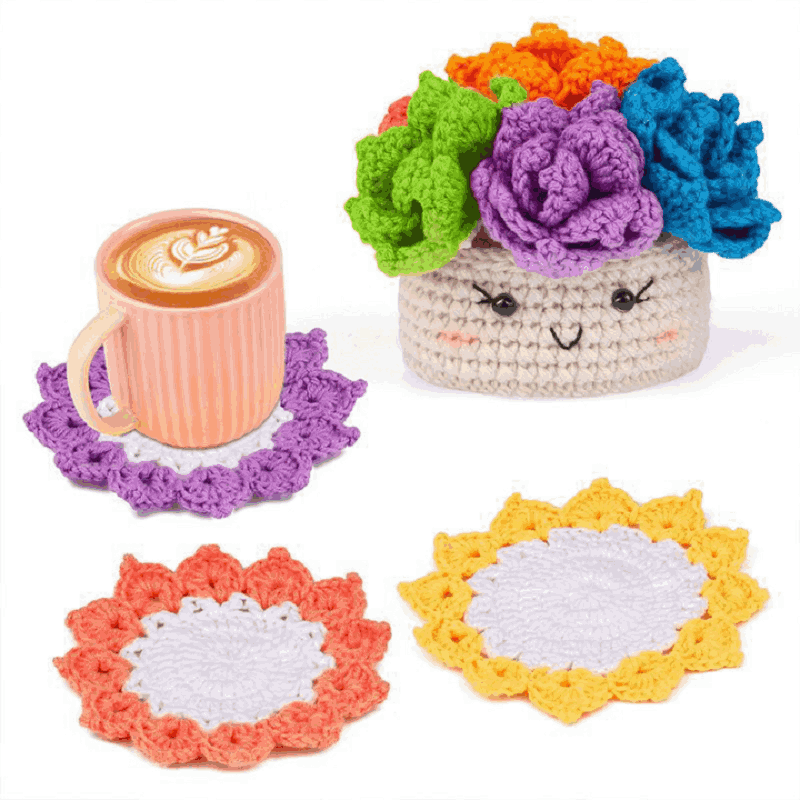
- All kits benefit from gauge control.
- But the Six-color Coasters Crochet Kit is the easiest way to train. Quick projects, bright threads, instant feedback.
Final Thoughts
At the end of the day, gauge is not about perfection — it’s about confidence. The moment you learn to control it, every crochet kit you pick up feels less like a gamble and more like a guarantee. And that’s when crafting truly becomes joyful.
[Get your crochet kit now and start your creative crafting journey!]