Crochet Basics: Learn Your First Stitch with a beginner crochet kit

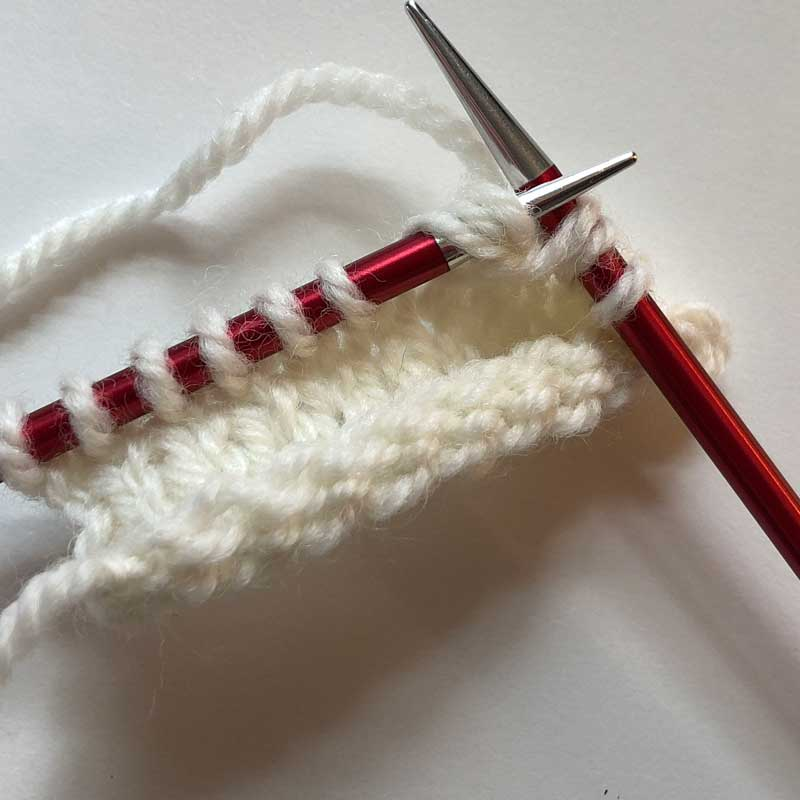
Ever scroll past those tiny amigurumi, cozy blankets, or handmade scarves on Instagram and think, “How do people even start?” You’re not alone. A beginner crochet kit can take you from “no clue” to “look, I made this!”—often faster than you might expect. In this guide, we’ll cover the basics: tools, simple stitches, choosing yarn, and a few tips that really help. No fluff, no long-winded stuff—just enough to nudge you (kids and grown-ups alike) into picking up that hook and giving it a try.
Why a beginner crochet kit matters
A kit isn’t just yarn and a hook. A good beginner crochet kit usually comes with the right needle size, soft yarn that’s easy to work with, clear patterns, and sometimes even step-by-step photos. That’s a relief, honestly—fewer decisions, fewer trips to the craft store, and definitely less frustration. If you’re looking for a small win to start, a beginner crochet kit can be your best friend. Most kits include tiny projects—maybe a coaster, a little animal, or a square for a blanket—so you actually get to finish something quickly and feel that little surge of accomplishment.
Tools and what to look for in a kit
Start simple. Think aluminum or bamboo hooks, a small pair of sharp scissors, a yarn needle for sewing pieces, and maybe a few stitch markers. Many kits throw in stuffing for amigurumi — super handy if you want to make little animal toys or gifts. For blankets or cozier projects, go for kits that include chunkier yarn and hooks that actually fit the yarn. Basically, the kit should suit the project you have in mind.
Quick tip: if you see a product photo with three different hook sizes, that’s usually a beginner-friendly kit. Some sellers even label the hooks — tiny, but they can save you a lot of guesswork.
Three stitches to get you started
You don’t need a laundry list of techniques. Chain stitch, single crochet, and double crochet will cover most beginner projects. Practice each for 10–20 minutes, make a small swatch, and you’ll already be able to start a tiny blanket square, a coaster, or a simple amigurumi head. Don’t worry if your tension is inconsistent at first; you get better with practice.
How to practice: set a timer. Do ten minutes of chain stitch without looking at a tutorial. Yes, really. Your hands learn faster than you think.
Materials: yarn types and stuffing
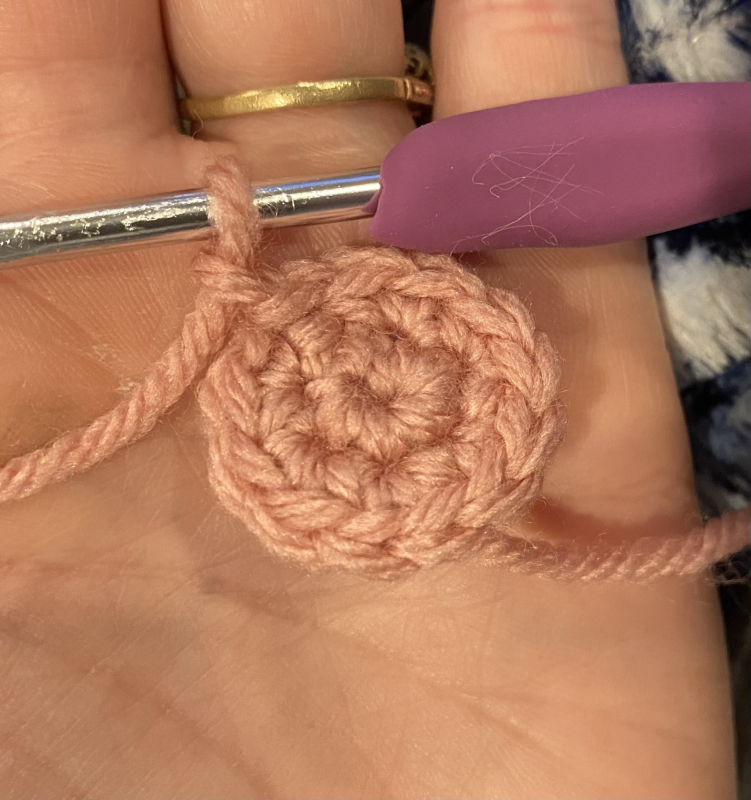
Cotton yarn feels cool and flat — great for dishcloths and coasters. Acrylic yarn tends to be fluffy and forgiving, which is why many beginner crochet kit makers use it. Blended yarns offer a middle ground. For stuffed toys, look for non-allergenic PP stuffing included in many kits. If you’re buying for children, double-check for small parts and recommended ages.
Also, match your yarn to purpose. Want a soft baby blanket? Look for baby-weight yarn. Want a chunky throw? Bulky yarn does the trick. Kits usually list the recommended hook size — follow it, at least the first time.
Reading patterns without tears
Patterns look like another language at first. But there are tricks: scan for abbreviations like sc (single crochet) and dc (double crochet), and count stitches as you go. Many kits designed for beginners include step-by-step photos or videos — use them. Yes, sometimes you’ll frog (rip out) a row. It’s part of learning and weirdly satisfying.
If a kit’s pattern lists “for adults” or “for children,” or includes finished dimensions (e.g., blanket size), that’s a sign it was thoughtfully designed.
Common beginner mistakes and quick fixes
Too tight? Try a slightly larger hook. Too loose? Go down a size. Losing track of stitches? Use stitch markers or a scrap of contrasting yarn as a bookmark. Dropped stitches happen to everyone; learn to pick them up rather than panic and cut the whole thing apart. You’ll develop a rhythm.
Also: tension changes when you speed up. Slow down. For many beginners, speed is the enemy of neatness. Practice slowly, then speed up gradually.
Projects you can realistically finish in an afternoon
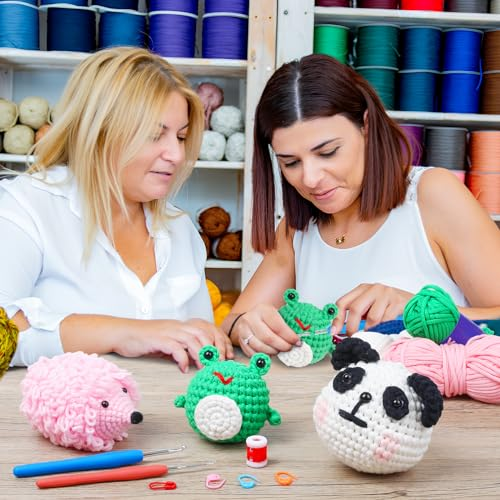
If motivation is a problem, pick bite-sized projects. Coasters, small plush fruits, or a single amigurumi accessory are perfect. A beginner crochet kit targeted toward quick projects helps you see a finished item in hours—not weeks. Quick wins boost confidence.
Try making three mini fruits in one evening—small, adorable, and super shareable. Love animals? Grab a beginner crochet kit and make your own keychain today.
Learning as a social activity
Join a local yarn group or an online community. Share progress photos. Ask questions. Most knit-and-crochet communities are friendly and full of tips — and yes, gentle roasting when you post a hilariously misshapen “cat” that looks more like a potato. That’s okay. Learn, laugh, repeat.
In-person classes let you try different hooks and yarns before committing to a kit. If you’re shy, start online: there are tons of video tutorials tied to specific beginner crochet kit projects.
Choosing a kit for children versus adults
For children, look for safety-certified stuffing and parts-free designs. Kits for kids often include larger hooks and chunkier yarn, making it easier for small hands. Adults may prefer more refined kits — maybe one that leads to a small blanket or a stylized amigurumi toy with more intricate shaping.
Pro tip: for children who lose interest quickly, choose kits with multiple mini-projects rather than one long blanket. If you’re buying for an adult who likes design, pick a kit with colorwork or texture.
When to move beyond the kit
Once you’re comfortable with the basics, you might mix yarns, alter patterns, or try colorwork. That’s the moment to graduate from kit-dependence and start creating original pieces. But honestly? There’s joy in kits, even for seasoned makers. They can be a low-pressure break from complex projects.
Extra resources: where to learn more
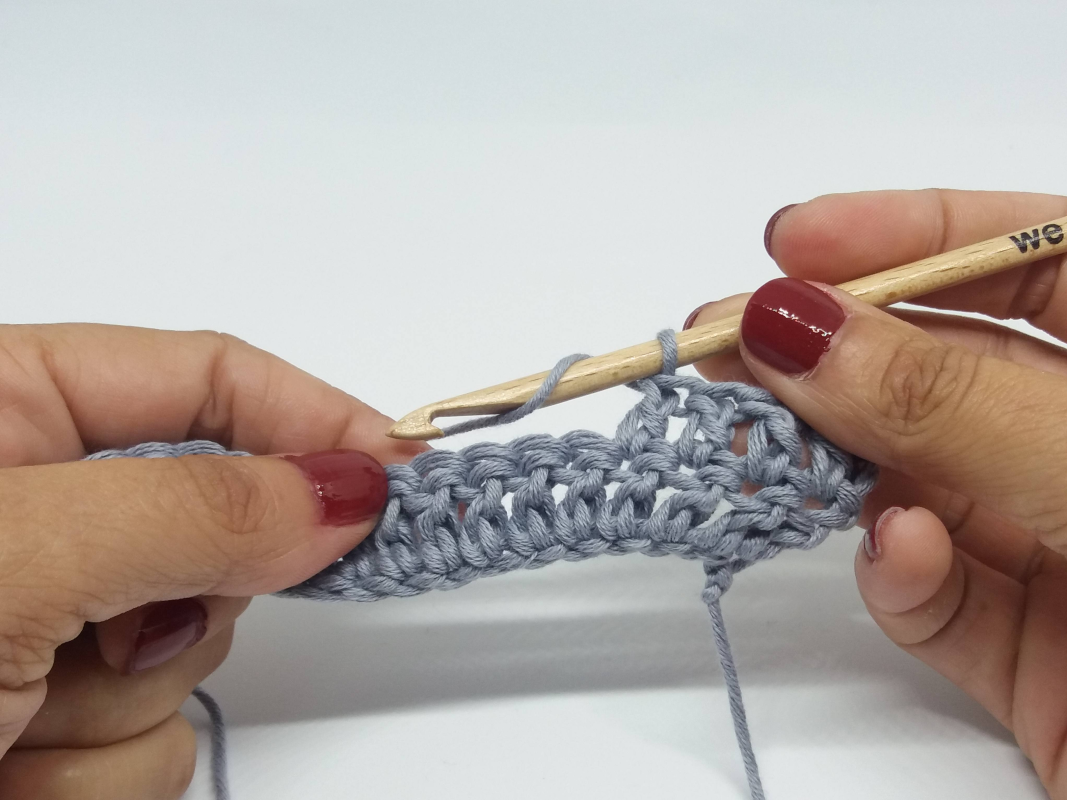
Look for video playlists that walk through every step of a specific kit project. Maker blogs often post kit reviews showing real-life results. Local yarn shops may sell curated beginner crochet kit bundles — and sometimes teachers include kit supplies in class fees.
If you prefer books, pick one with large photos and step-by-step shots. A tactile guide helps more than a dense, text-heavy pattern book.
A short practice plan
Day 1: Start with the chain stitch. Make a tiny 10-row swatch—don’t stress if it looks wonky. Imperfection is part of the fun.
Day 2: Try single crochet. Make a little square and notice how your stitches start to behave (or misbehave!).
Day 3: Experiment with double crochet and mix stitches into a mini sampler. Play around—you might end up with something surprisingly cute.
Day 4: Pick a simple amigurumi pattern from your beginner kit and sew the pieces together. Take your time; a few messy seams just add character.
Repeat as much as you like. Dreaming of a blanket? Multiply the days, grab a cup of tea, and stitch at your own pace—slowly but surely.
Final thoughts and gentle push
Starting is the hardest part. With a thoughtfully chosen beginner crochet kit, you remove many early annoyances and let creativity win. Whether you’re making a little animal for a friend, a cozy blanket for movie night, or teaching a child how to craft, these kits make the path clearer. Ready to start? Get your beginner crochet kit now and begin your handmade journey—no art school required. A beginner crochet kit like Six-color Coasters, Animal Crochet Kit, or Fruits Crochet Kit is perfect for your first project—grab one and start creating today!